If you own an older home, plumbing is one of those systems you know will not last forever.
Maybe you have noticed discolored water. Maybe leaks keep appearing in different places. Or maybe a recent inspection suggested repiping before problems escalate. At that point, the question becomes practical: what is the cost to replace plumbing in an older home?
The honest answer is that it depends on several variables. But understanding what drives repiping cost can help you plan ahead and avoid unexpected expenses.
Let’s break down what affects the total investment and what homeowners can realistically expect.
What Does “Replacing Plumbing” Actually Mean?
When people talk about replacing plumbing, they are usually referring to a whole house repipe.
That means removing aging supply lines and installing new piping throughout the home. In some cases, drain lines may also be replaced, but most repiping projects focus on the water supply system.
This is different from repairing a single leak. A repipe addresses the entire network of pipes to prevent ongoing failures.
Homes built several decades ago often contain galvanized steel or polybutylene piping, both of which are known to deteriorate over time. Replacing these materials proactively can prevent repeated leaks and water damage.
Average Cost to Replace Plumbing in an Older Home
Nationally, the cost to replace plumbing in an older home typically ranges between $4,000 and $15,000.
That is a wide range because several factors influence total pricing:
- Size of the home
- Number of bathrooms
- Accessibility of pipes
- Type of replacement material
- Local labor costs
A smaller home with easy access through crawl spaces may fall toward the lower end. A larger home with slab foundation construction may land toward the higher end due to the complexity involved.
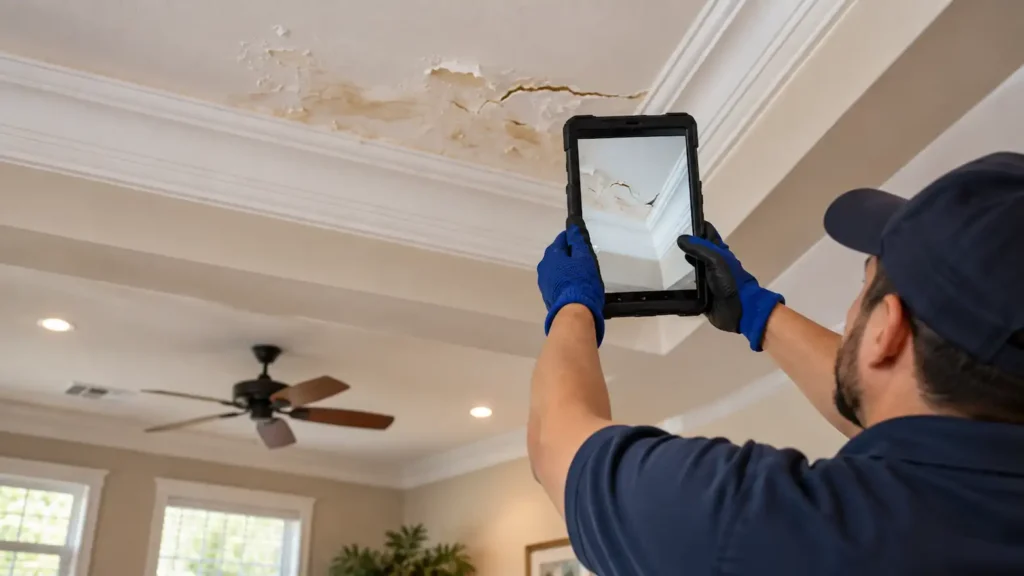
For a more precise estimate, a professional inspection is always necessary.
Key Factors That Affect Repiping Cost
Home Size and Layout
The more square footage and fixtures your home has, the more piping is required.
Two story homes can also increase labor time because pipes must be routed between levels. Complex layouts may require more wall access points, increasing repair and restoration work after installation.
Pipe Material Selection
Modern repiping typically uses either PEX or copper.
PEX piping is flexible, cost effective, and resistant to corrosion. It often results in lower labor time because it can be routed efficiently through walls and ceilings.
Copper is more traditional and durable but tends to be more expensive in both material and labor.
The choice between these materials directly affects total plumbing replacement cost.
Accessibility of Existing Pipes
Homes with crawl spaces or accessible attics are usually less expensive to repipe than slab foundation homes.
When pipes are embedded in concrete, accessing and rerouting them requires more labor. In some cases, plumbers reroute pipes through walls and ceilings to avoid breaking the slab, but that still increases time and complexity.
Condition of the Existing System
If the plumbing system has extensive corrosion, leaks, or structural damage, additional repairs may be necessary during the repiping process.
In some situations, outdated shut off valves, pressure regulators, or connections also need upgrading to support the new system.
You can learn more about maintaining overall system health in our guide to regular plumbing inspections.
Signs It May Be Time for a Whole House Repipe
Not every older home needs immediate replacement. However, certain warning signs suggest it may be the smarter long term decision.
- Frequent leaks in different areas
- Rust colored or discolored water
- Noticeable drop in water pressure
- Visible corrosion on exposed pipes
- Plumbing system over 40 to 50 years old
If repairs are becoming more frequent and costly, investing in a full replacement may save money over time.
Is Repiping Worth the Investment?
For many homeowners, the hesitation comes down to timing.
Replacing plumbing is not a cosmetic upgrade. It is not something guests see. But it protects the structure of your home.
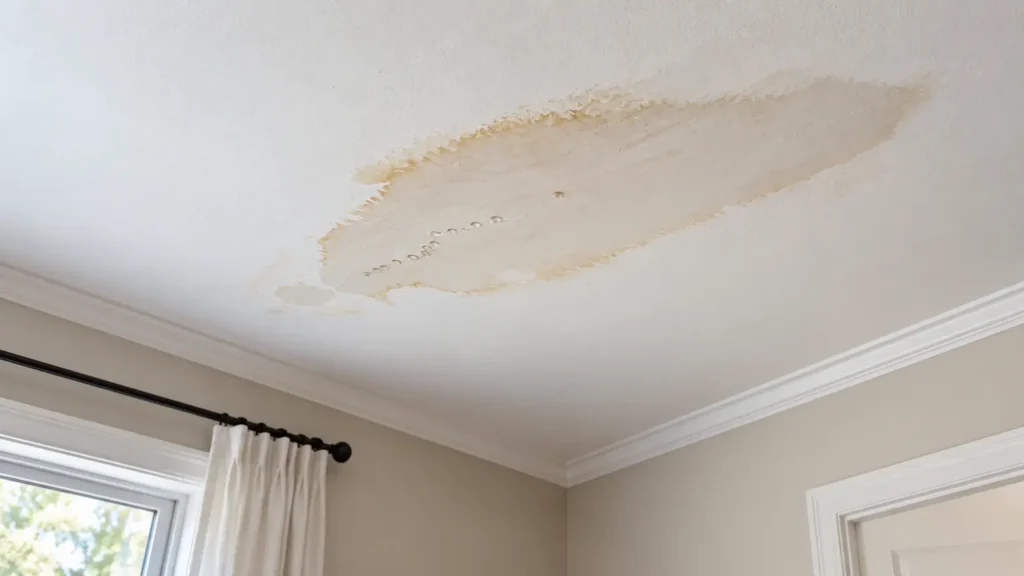
Repeated leaks can damage drywall, flooring, insulation, and even framing. Water damage restoration costs can escalate quickly. According to the Insurance Information Institute, water damage and freezing claims are among the most common homeowners insurance claims.
Viewed through that lens, repiping is often less about cost and more about risk management.
New plumbing can also improve water pressure, water clarity, and overall system reliability. That peace of mind has long term value.
What to Expect During a Repiping Project
Most whole house repipes take several days depending on home size.
Water may be temporarily shut off during certain stages, but experienced plumbers plan the work to minimize disruption. Small access openings are made in walls or ceilings to route new piping. After installation, those openings are typically patched.
The goal is to upgrade the system efficiently while limiting impact on daily life.
Before starting, a licensed plumber should provide a detailed estimate outlining scope, materials, and timeline.
Planning Ahead Instead of Reacting
The biggest financial strain often comes when homeowners are forced to repipe after significant water damage.
Planning the project proactively allows time to compare options, select materials, and budget appropriately. It also prevents emergency scenarios where rapid decisions are required.
If your home’s plumbing system is aging and showing signs of stress, getting an evaluation now provides clarity.
Investing in Protection, Not Just Pipes
The cost to replace plumbing in an older home varies, but the purpose remains the same: protecting your home from repeated leaks and hidden damage.
Repiping is a long term investment in stability, efficiency, and peace of mind. While the upfront price may feel significant, it is often far less than the cumulative cost of recurring repairs and water damage restoration.
If you are unsure whether your home needs partial repair or full replacement, EZ Flow Plumbing can evaluate your current system and provide a transparent assessment. We will explain your options clearly, outline expected costs, and help you decide what makes the most sense for your home and budget.
Do not wait for another leak to force your hand. Contact EZ Flow Plumbing today to schedule a plumbing evaluation and take control of your home’s future.