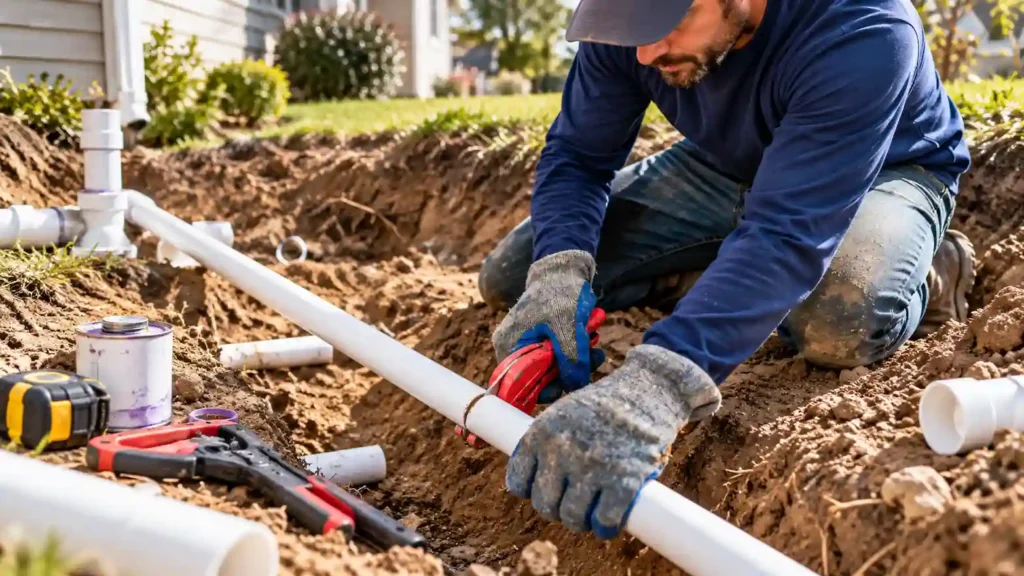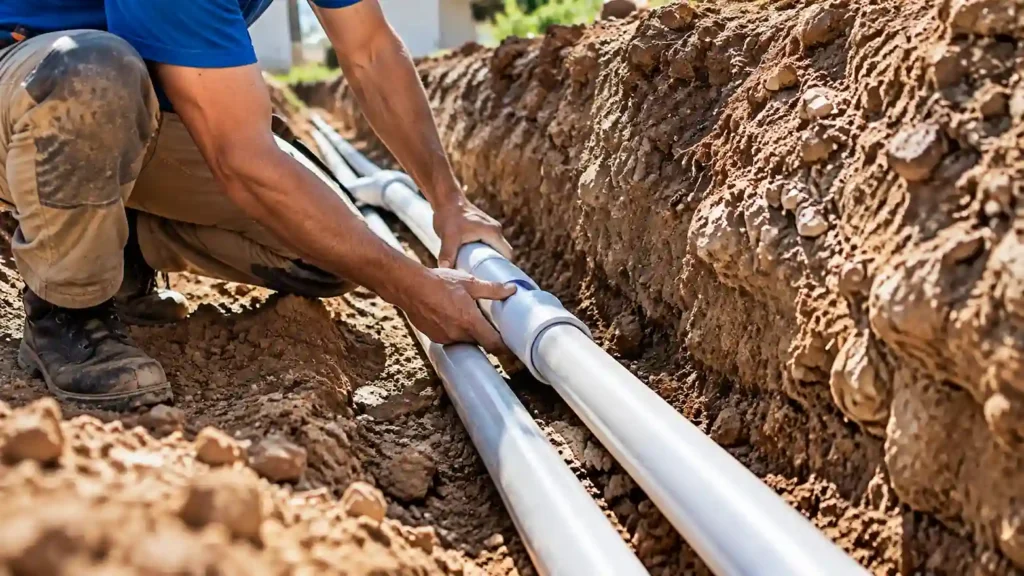
Foundation leak detection is the process of finding a water or drain line leak that’s under the concrete floor of a house. This is done using pressure tests, sound equipment, electronic tools or heat cameras before any repairs are started. This step is not a simple formality. It is the information that shows where the repair work needs to happen, what method to use and what the condition of the pipes around the area looks like. All of these things decide how much the work will cost, how big it will be and how much it will disturb the home.
A homeowner who skips this step and starts breaking up the concrete based on where the floor feels warm, where a damp spot shows up or where a plumber thinks the pipe might be, risks cutting the part of the concrete. This can lead to cost and more disruption without fixing the leak. The leak keeps running under the part that was not touched while the opened area is being fixed. Getting the information through detection is what stops this from happening.
We help homeowners in Austin, Pflugerville, Round Rock, Georgetown and Hutto who notice something that does not have an answer and want to know for sure before any concrete is broken. At EZ Flow Plumbing Texas foundation leak detection is the step in every under-slab plumbing check. It is not something extra added on after the repair. The tools show us where the problem is. Then the repair is based on that information not on guesses.
Why Foundation Leaks Develop in Austin and Central Texas
Foundation leak detection is more relevant in Austin than in many other regions, and the local conditions that make it so are worth understanding before evaluating any symptom that appears in the home.
Austin’s expansive clay soil is the primary driver. The clay swells when it absorbs moisture and contracts sharply during dry periods, cycling through that movement repeatedly across decades. Underground pipes embedded in or running beneath the concrete slab absorb the mechanical stress of that movement continuously. The joints between pipe sections, which are less flexible than the pipe body itself, accumulate the most strain from soil movement and are the most common location for the separations and micro-fractures that eventually become active leaks beneath the foundation.
The age of Austin’s residential construction is the second factor. Homes built between the 1950s and the 1980s, which represent a substantial portion of the housing stock in established Austin neighborhoods, were plumbed with copper supply lines and cast iron drain lines beneath the slab. Copper develops pitting corrosion over decades of contact with Austin’s mineral-heavy water supply. Cast iron corrodes from the exterior when the surrounding soil chemistry acts on the metal, producing thin wall sections that crack under the load of the slab. Both materials, in homes of this age in Central Texas clay, have frequently reached or exceeded their reliable service life.
How Professional Foundation Leak Detection Works
Foundation leak detection uses a structured combination of methods that together locate a confirmed active loss to a precise point rather than a general area. Each method contributes different information, and the combination is what produces specificity rather than probability.
| Detection Method | What It Establishes | Best Used For |
| Pressure testing | Identifies which line is losing pressure and whether the loss is in the supply or drain system | First step after the meter test confirms active water movement |
| Electronic leak detection | Amplifies the sound signature of water escaping a pressurized pipe breach | Pinpointing the exact location of a confirmed supply line leak |
| Acoustic listening equipment | Reads the vibration pattern at the slab surface above the leak | Narrowing a broad search area to a specific floor section |
| Thermal imaging | Maps surface temperature differences caused by a hot water supply leak | Hot supply line leaks at or near the slab surface |
| Video camera inspection | Views the interior of drain lines beneath the slab | Identifying cracks, root intrusion, or collapse in drain line sections |
A licensed plumber selects the combination of methods that fits the confirmed symptom type and the specific construction of the home. A hot water supply line leak near the surface may be locatable with thermal imaging alone. A cold supply line leak deeper in the slab requires electronic amplification and acoustic methods together to pinpoint the breach point. A drain line failure requires camera inspection because pressure-based and acoustic methods depend on continuous water flow, which a gravity drain line does not provide between fixture uses.
Supply Line Leaks vs. Drain Line Leaks Beneath the Foundation
Foundation leak detection involves two systems and the method used changes a lot depending on which one is causing the problem. Knowing the difference helps homeowners describe what’s happening clearly. It also helps plumbers choose the tools right from the start.
Supply line leaks are always active because the supply system is under pressure. A meter test can pick them up. The water bill shows an increase. Symptoms like floor spots and unexpected dampness show up fairly quickly after the leak starts. One of the reliable signs is hearing running water even when all taps and fixtures are turned off. That sound only happens when water moves continuously which means a pressurized supply line is leaking—since no fixture should be using water at that moment.
Drain line leaks under the foundation are different. They happen when water flows through the drain so they’re intermittent. The leak is only active when a fixture above is in use. Symptoms appear slowly. These can include the foundation shifting over time spots near certain fixtures after heavy use or a strong sewage smell, in one area of the house. Unlike supply leaks a rising water bill is usually not a sign.
Why Foundation Leak Detection Cannot Be Deferred Indefinitely
A foundation leak that is causing small early signs is still letting water flow constantly under the slab. That amount might be small enough in the few weeks that the water bill goes up in a way that is hard to tell but the damage it causes builds up in ways that are not seen from the top until the leak has been going on long enough to hurt the structure itself.
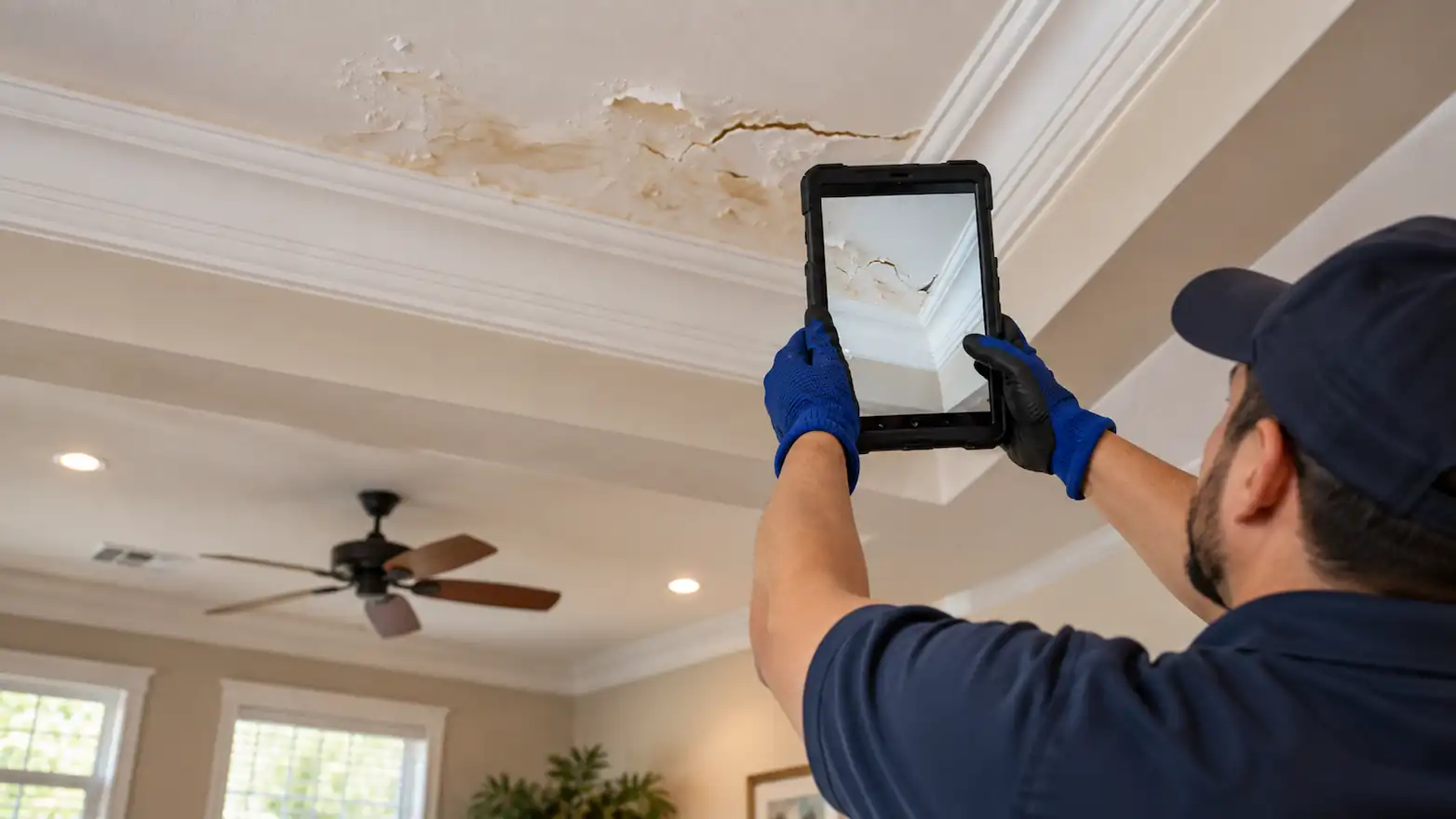
Water moving through the dirt under the slab weakens the tightness that holds the foundation up which causes different parts of the foundation to settle at times. That settling finally shows up as cracks in the places where walls meet doors and windows that get stuck or floor tile grout lines that break without any reason. The slab takes in moisture through a process called action which makes the connection between the concrete and any floor covering above it weaker. Hardwood floors get warped, tile glue stops working and carpet has mold that stays in spots that nothing on the surface can fix.
By the time those extra signs are clear the leak has usually been going on enough that fixing it involves much more than just fixing the pipe. Doing foundation leak detection when the first signs show up regularly keeps the amount of work needed to a minimum. The detection visit is much less of a problem and less expensive than what comes after a leak, under the foundation that has gone on for a time.
Our leaking pipes service page covers the full scope of what we assess and address for under-slab plumbing conditions across Austin and Central Texas.
What to Prepare Before the Foundation Leak Detection Visit
A foundation leak detection visit produces more precise results when the homeowner has documented the symptom pattern before the plumber arrives. That documentation requires observation and access to utility billing history, not technical knowledge.
Useful information to have ready before the visit:
- When each symptom first appeared and whether any have changed in intensity or location
- The water bill for the past three to four months, compared to the same billing period in the prior year
- Whether the sound of running water is audible and in which area of the home it is most noticeable
- Whether the symptom is isolated to one room or area or appears in multiple locations
- The approximate age of the home and the pipe material type if known
- Any recent plumbing work, foundation repairs, or soil disturbance near the structure
- Whether a prior foundation leak detection visit was performed, and when and what it found
Each of those details eliminates possible causes before any instrument is deployed, allows the plumber to focus on the most probable system and location from the start, and reduces the time the household spends waiting for a confirmed answer.
Getting a Foundation Leak Detection Assessment That Leads to a Confident Decision
Foundation leak detection done correctly produces a confirmed breach location, a pipe condition assessment at and near that point, and a repair recommendation the homeowner can evaluate with complete information before committing to any work. That sequence, detection first and repair recommendation after, is what separates a plumbing visit that moves the situation forward from one that opens the slab in the wrong place or recommends a full reroute when a targeted repair was the proportionate response.
A homeowner who waits through extended undetected leakage because the early symptoms were ambiguous or easy to explain away ends up with a larger remediation scope and a narrower set of repair options than one who proceeded with foundation leak detection when the first two or three signals appeared together. The detection step is not an expense added to the repair. It is the information that makes the repair proportionate, accurate, and worth the investment.
If you are seeing signals that point toward a leak beneath your foundation and want a confirmed answer before any decisions are made, contact EZ Flow Plumbing Texas to plan the right detection and leaking pipes service for your property.