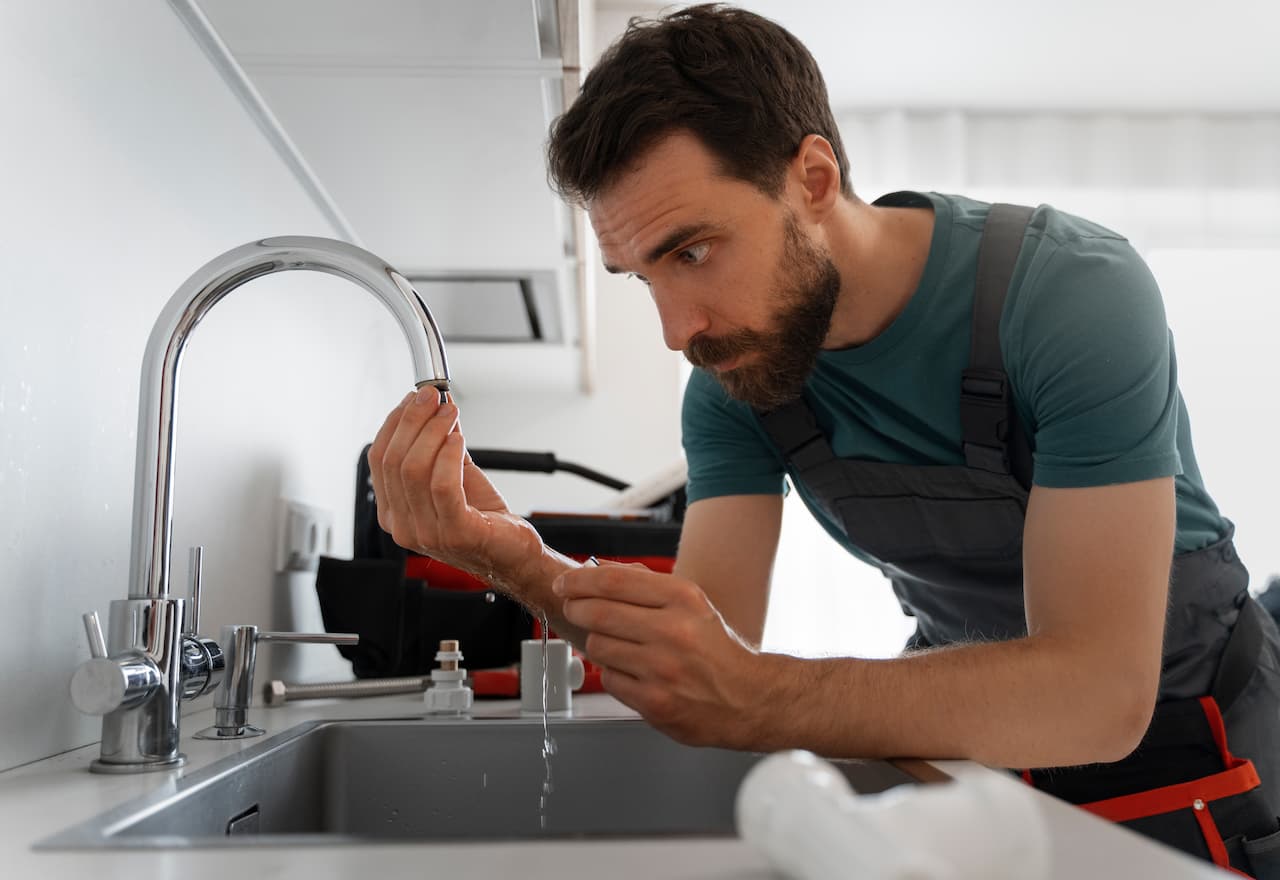
We’ve all been there: you’re standing under the shower, waiting for the water to warm up, only to be met with a weak trickle. Or maybe you’re washing your dishes and suddenly the water pressure shoots up, splashing everywhere. Whether it’s low or high, water pressure issues are more common than you might think — and they can seriously disrupt your daily routine.
The good news is, both low and high water pressure can usually be fixed with a little knowledge and the right approach. In this article, we’ll explore why these issues occur and how you can solve them. If you’re tired of dealing with inconsistent water pressure, stick with us for some helpful insights and tips on how to get your water flowing just right.
Understanding the Causes of Water Pressure Problems
Water pressure is a vital part of your plumbing system. It’s the force that pushes water through pipes to your faucets, showers, and appliances. When everything’s working properly, you don’t think much about it. But when the pressure is too high or too low, it can cause headaches and frustration. Let’s start by understanding what’s causing these pressure issues and how they affect your home.
Water pressure can fluctuate for several reasons. If you have low pressure, it might be because of clogged pipes or a faulty pressure regulator. Over time, mineral buildup or debris can block your pipes, restricting the flow of water. This means you’ll notice weaker water flow, whether it’s in the shower or at the kitchen sink. Another common cause of low water pressure is a leak in your plumbing system. When there’s a leak, water escapes before it reaches your faucet, reducing pressure.
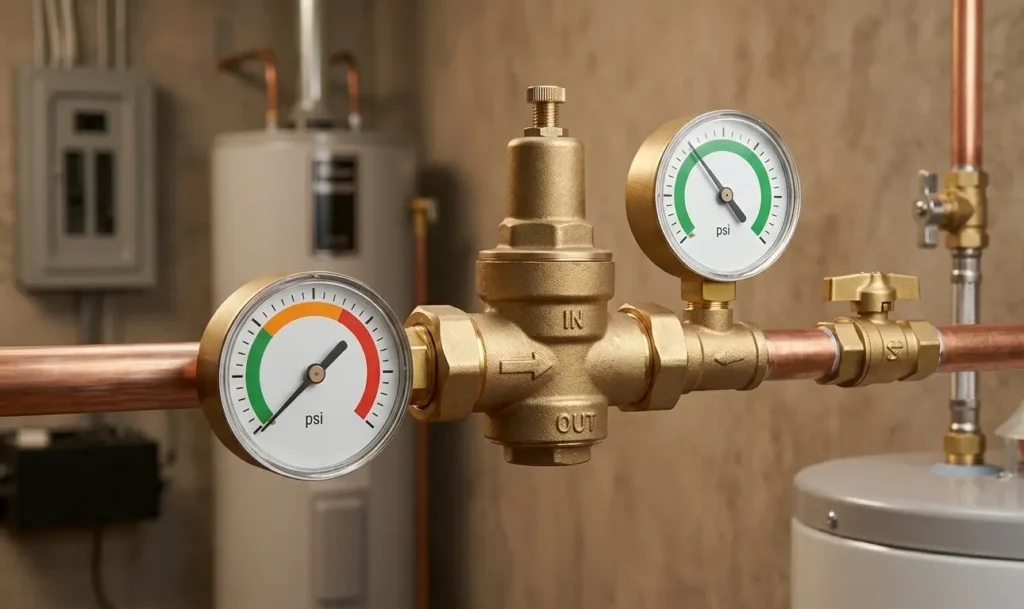
On the other hand, if you’re dealing with high water pressure, the culprit is often a faulty pressure regulator. A pressure regulator is a device that controls the flow of water into your home. When it malfunctions, it can cause the water pressure to spike, which can be harmful to your plumbing. High pressure isn’t just inconvenient — it can lead to damage in your pipes, fixtures, and appliances over time.
How Low Water Pressure Affects Your Home
Low water pressure can be a major nuisance, and it’s usually the result of one of several issues. Imagine waking up to a shower that’s barely dripping, or trying to rinse your dishes under a weak stream of water. It’s frustrating, right? Well, that weak pressure can be traced back to a few possible causes.
First, older pipes, especially those made from galvanized steel, are prone to corrosion. As the years go by, rust and mineral deposits can build up inside the pipes, slowly narrowing the water passage. Eventually, the water flow becomes restricted, causing low pressure. This problem is more common in older homes, but even newer homes can have issues if their plumbing system wasn’t installed properly.
Another factor that can contribute to low water pressure is running multiple fixtures at once. If you’re trying to use the washing machine while someone else is taking a shower or you’re running the dishwasher, your home’s plumbing may not have enough pressure to supply all these fixtures at the same time. This can lead to noticeable dips in water pressure, but it’s not necessarily a major problem. It’s more about your system being overloaded.
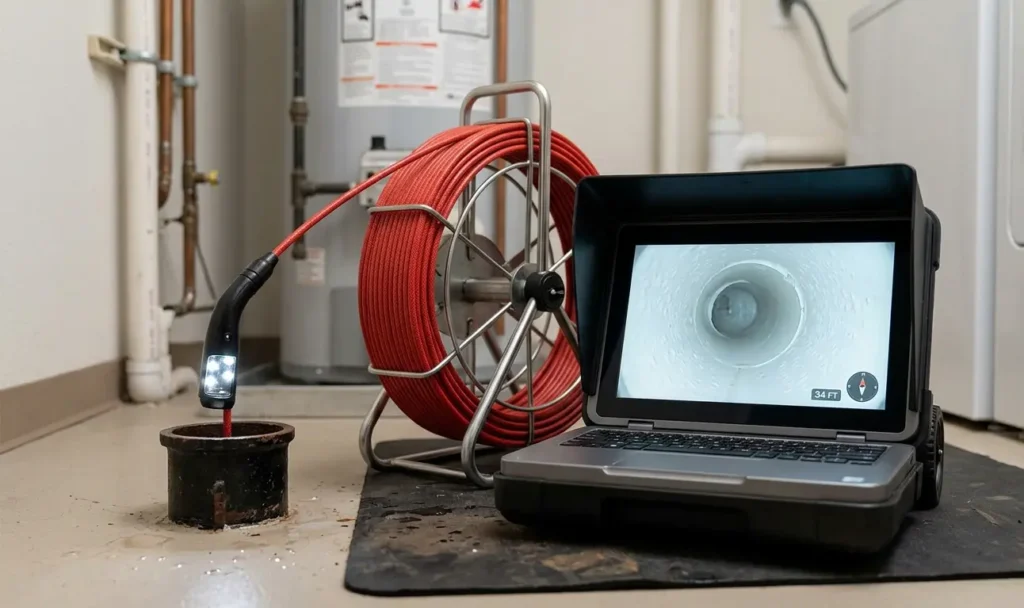
Then, there’s the issue of leaks. A leaking pipe under your slab or in your walls can drain water away before it reaches your taps, causing a noticeable drop in pressure. This is one of the reasons why it’s so important to regularly inspect your plumbing system. Leaks can be tricky to find, but once detected, they should be repaired immediately to prevent further damage and to restore proper pressure.
Why High Water Pressure Can Be a Bigger Problem
High water pressure might sound like a good thing — who wouldn’t want a powerful shower or fast-filling bathtub? But the truth is, water pressure that’s too high can cause a lot of damage over time. For one, it puts stress on your plumbing system, causing pipes to wear out faster. Over time, high pressure can lead to burst pipes, leaking joints, and even damage to appliances like dishwashers and washing machines.
A common cause of high water pressure is a faulty pressure regulator. This small device controls the water flow into your home, and when it malfunctions, it can cause the pressure to rise above what’s considered safe. High pressure is not something you want to ignore — it can slowly wreak havoc on your pipes and fixtures, leading to expensive repairs down the line.
Another sign of high water pressure that many homeowners don’t notice is water hammer. If you’ve ever heard a loud bang or thud when turning off a faucet or shutting off the washing machine, that’s water hammer in action. It happens when the water flow is suddenly stopped, and the pressure causes a shockwave through the pipes. Over time, this can lead to broken pipes or leaky joints if left unchecked.
How to Fix Low Water Pressure
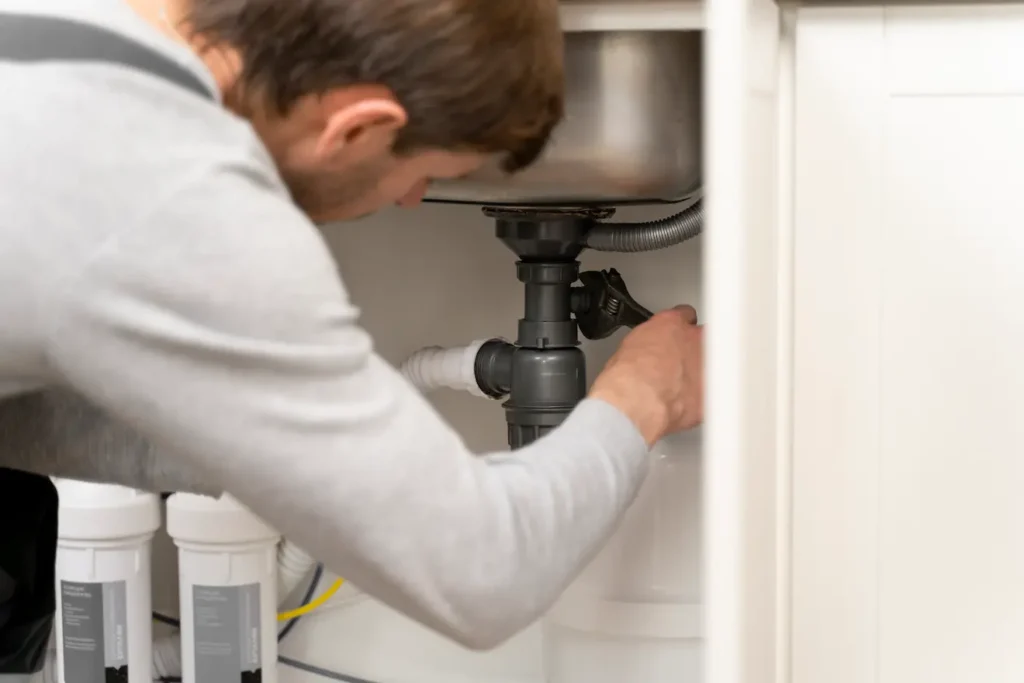
If you’re dealing with low water pressure, don’t worry — there are several ways to address it. The first thing you should do is inspect your pipes for clogs. Mineral buildup can accumulate in pipes over time, especially in areas with hard water. Cleaning or replacing clogged faucets and showerheads can also help improve water flow. If you’re dealing with more serious blockages in your plumbing system, a professional plumber can help clear the pipes.
Another solution for low water pressure is adjusting your pressure regulator. If you have a regulator, it might be set too low, which could be restricting the flow of water into your home. A plumber can easily adjust the regulator to bring your water pressure back to normal levels.
If the problem is leaks in your plumbing system, it’s important to have them repaired as soon as possible. Leaks cause water to escape before it reaches your faucets, reducing the overall pressure. A plumber can use advanced techniques like leak detection tools to pinpoint hidden leaks and get them fixed quickly.
How to Fix High Water Pressure
If high water pressure is your problem, the solution may be as simple as replacing or adjusting your pressure regulator. A professional plumber can help you adjust the regulator to maintain the correct pressure level. If you don’t have a regulator installed, it’s a good idea to get one to protect your plumbing system from the strain of high pressure.
You may also want to consider installing pressure relief valves to prevent pressure from exceeding safe levels. These valves can be placed throughout your plumbing system to help control water flow and keep everything running smoothly.
Finally, if you suspect that the pressure from your municipal water supply is too high, contact your local water utility. In some cases, they can adjust the pressure entering your home to prevent excessive water pressure.
Solving Water Pressure Issues: Finding the Right Balance
Whether you’re dealing with weak water flow or a forceful gush of water, solving water pressure issues requires a bit of investigation and professional help. The key is identifying the cause of the problem — whether it’s clogged pipes, a faulty pressure regulator, or a hidden leak — and addressing it quickly to prevent further damage to your home.
At EZ Flow Plumbing, we specialize in diagnosing and resolving water pressure issues of all kinds. From low pressure that leaves you with a trickle to high pressure that damages your plumbing, our team has the expertise to fix the problem and restore the right balance to your home’s water system.
Trust EZ Flow Plumbing for Your Water Pressure Needs
Water pressure issues are more than just a nuisance — they can cause long-term damage to your plumbing system if not addressed promptly. Whether you’re dealing with low pressure that makes your shower feel like a drip or high pressure that puts unnecessary strain on your pipes, EZ Flow Plumbing has the expertise and tools to get things flowing smoothly again.
Don’t let water pressure problems disrupt your home. Call EZ Flow Plumbing today to schedule an inspection and let our expert team restore optimal water pressure to your home. Serving Pflugerville, Round Rock, Hutto, Georgetown, and the greater Austin area, we’re here to ensure you get the right pressure every time you turn on the faucet.