One of the first questions homeowners ask is simple: how much is this going to cost?
It is a fair question. Plumbing issues are often unexpected, and no one likes financial surprises. But the reason pricing can vary so widely is that not all repairs are created equal.
If you have ever wondered what affects plumbing repair cost, the answer usually comes down to a handful of practical factors. Understanding them ahead of time helps you make informed decisions and avoid sticker shock.
Let’s walk through what really goes into a plumbing service cost breakdown.
The Type of Problem
The nature of the issue is the biggest pricing driver.
A dripping faucet and a broken main water line are not comparable. Minor fixture repairs typically require less time, fewer materials, and minimal system disruption. Major issues involving sewer lines, slab leaks, or burst pipes demand more labor, equipment, and expertise.
Complexity matters more than appearance. Sometimes a small leak behind a wall can require more work than a visible pipe repair under a sink.
The more involved the diagnosis and repair process, the higher the overall cost is likely to be.
Accessibility of the Plumbing
Access plays a major role in plumber pricing factors.
If the affected pipe is exposed under a sink or in a garage, repairs are usually straightforward. But if the pipe is located inside a wall, beneath flooring, or under a slab foundation, additional labor is required just to reach it.
Cutting into drywall, removing tile, or carefully navigating tight crawl spaces adds time and care to the project. Restoration work after the repair may also be necessary.
Accessibility often explains why two similar repairs can have very different price tags.
Materials and Replacement Parts
The materials required also influence total cost.
Basic fittings and connectors are inexpensive. Specialty valves, pressure regulators, or large pipe sections can increase the material expense. The type of pipe involved, whether copper, PEX, PVC, or galvanized steel, also impacts cost.
In some cases, replacing outdated components with modern materials improves long term performance and durability.
If a repair involves upgrading older parts to meet current plumbing standards, that may affect pricing as well.
Time and Labor Involved
Labor is typically one of the largest components of any plumbing service cost breakdown.
Some repairs take less than an hour. Others may require several hours or even multiple visits. Diagnostic time also factors in, especially when the source of the issue is not immediately visible.
Experienced plumbers invest in training, licensing, and specialized tools. That expertise ensures repairs are done correctly and safely, which ultimately protects the homeowner from recurring problems.
Emergency vs Scheduled Repairs
Timing can also affect pricing.
Emergency plumbing services often occur outside normal business hours. Nights, weekends, and holidays may involve additional costs due to urgent response and staffing requirements.
Scheduled maintenance or non urgent repairs typically provide more flexibility and may be less expensive than last minute emergency calls.
Addressing small problems early often reduces the likelihood of paying for emergency service later.
Extent of Damage
Sometimes the repair itself is only part of the cost.
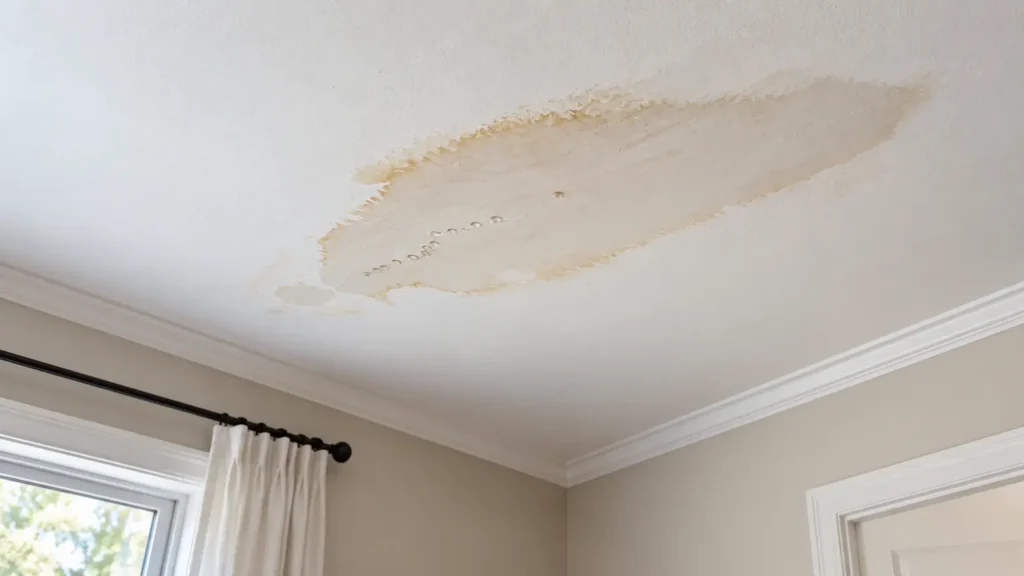
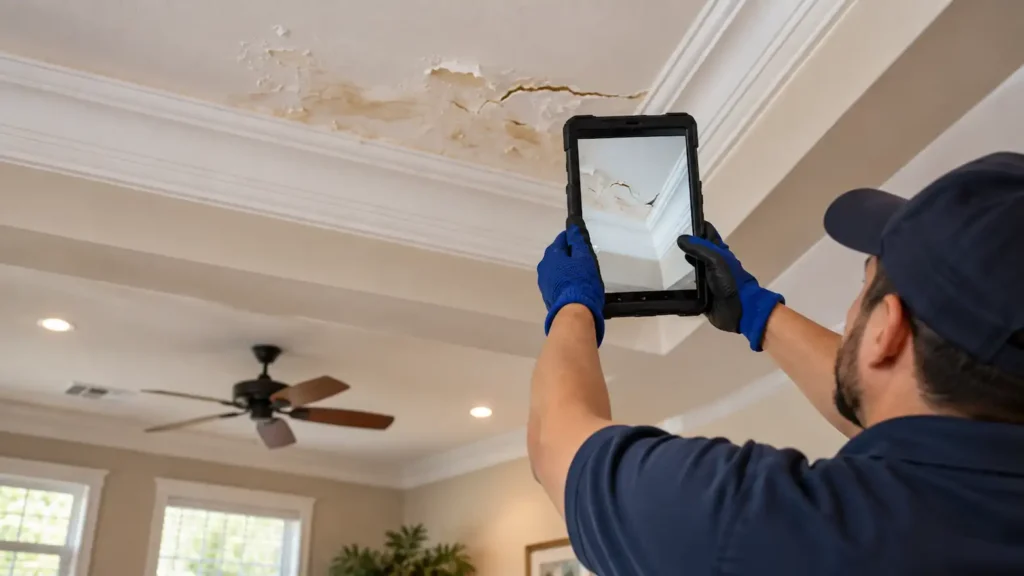
Water damage can affect surrounding areas such as drywall, flooring, cabinets, or insulation. While plumbers focus on correcting the plumbing issue, additional restoration may be necessary.
According to the Insurance Information Institute, water damage is one of the most common homeowners insurance claims.
Catching leaks early can significantly reduce secondary damage and associated costs.
Local Market Conditions
Geographic location influences labor rates and material costs.
Areas with higher living expenses typically have higher service pricing. Permit requirements or inspection standards in certain municipalities may also affect total cost for larger repairs.
While pricing varies by region, reputable plumbing companies should provide clear estimates and explain the scope of work involved.
How to Avoid Unexpected Plumbing Costs
While not all repairs are predictable, homeowners can reduce surprise expenses with a few proactive steps.
Routine inspections can identify early corrosion or pressure irregularities. Maintaining water heaters, monitoring water pressure, and addressing small leaks promptly prevents escalation.
You can learn more about preventative care in our guide to plumbing inspections.
[Insert internal link to Plumbing Inspection blog]
Understanding your system’s condition gives you leverage when budgeting for future repairs.
Why the Cheapest Option Is Not Always the Best
It is tempting to focus only on price.
But the lowest quote does not always equal the best value. Incomplete repairs, temporary fixes, or improper installation can lead to repeat service calls.
A properly diagnosed and executed repair protects your plumbing system long term. Transparent pricing paired with quality workmanship is usually more cost effective than repeated short term fixes.
Knowing What to Expect Before You Call
The cost of a plumbing repair depends on complexity, accessibility, materials, labor, and timing.
Understanding these plumber pricing factors helps you evaluate estimates more confidently. Instead of focusing only on the number, consider what the repair involves and how it protects your home.
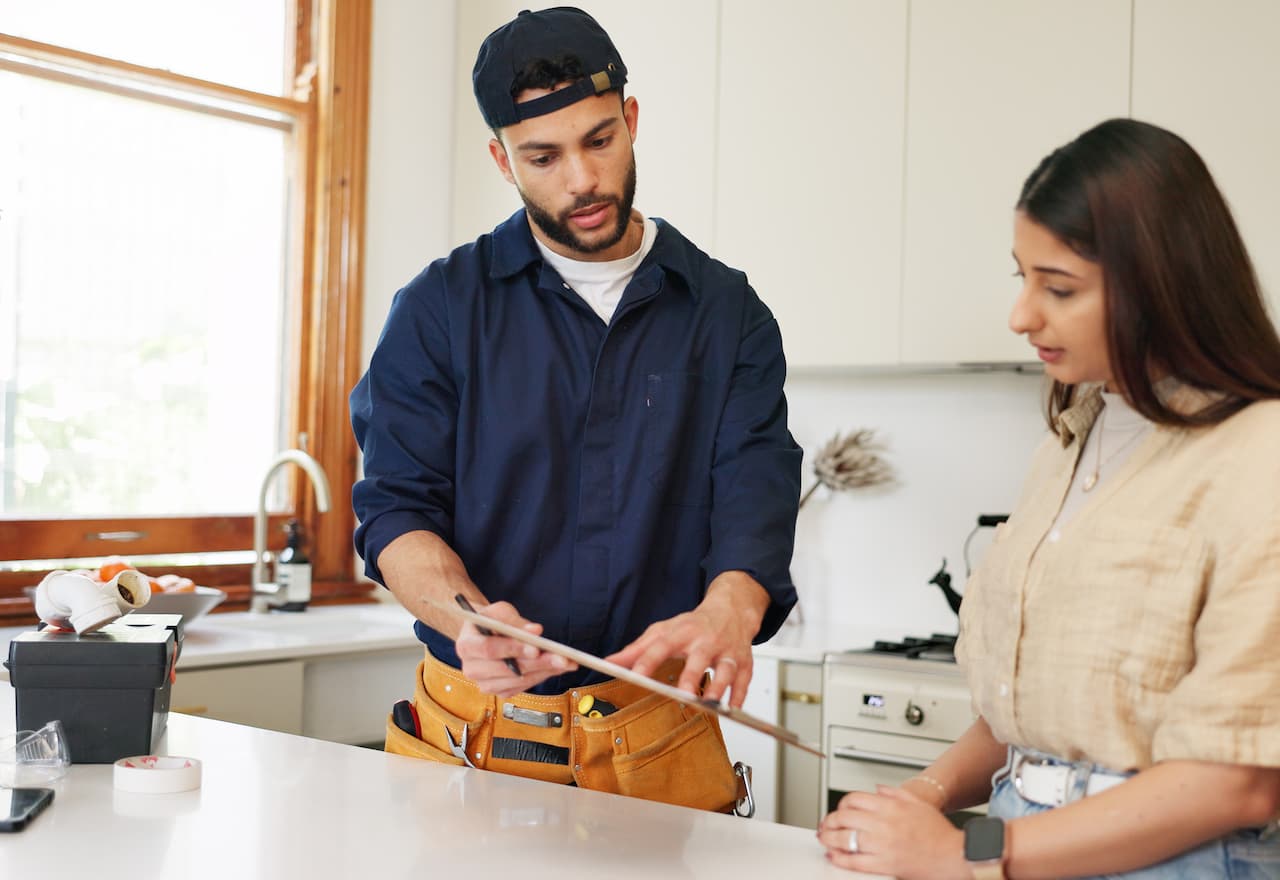
If you are unsure what to expect for a specific issue, EZ Flow Plumbing can provide a clear explanation of the problem, the recommended solution, and a transparent estimate before work begins.