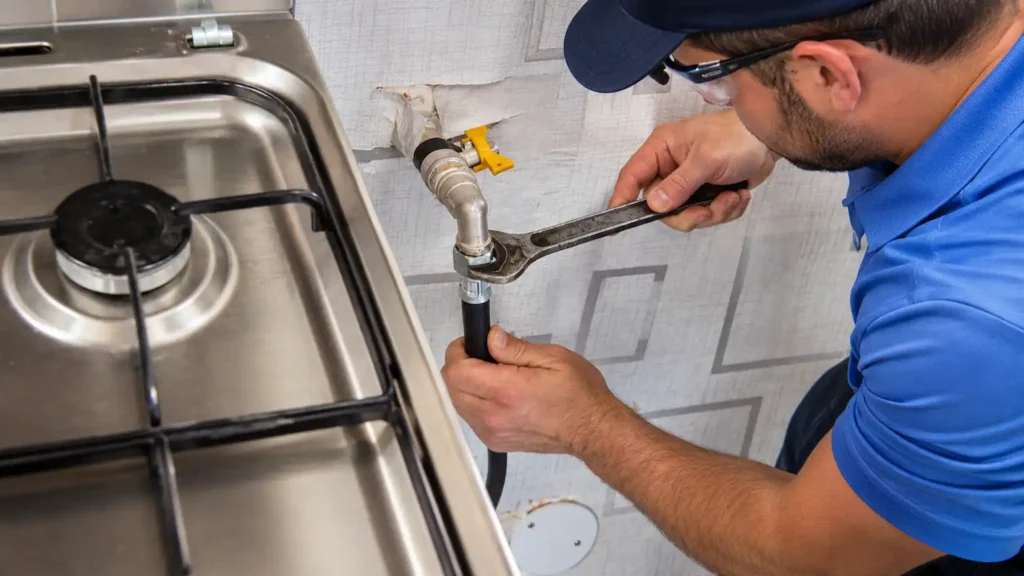

A plumber for a clogged bathroom sink clears the obstruction, finds where the blockage is, and checks whether the drain and vent are working the way they should. Most sink clogs start in the P-trap or the first few feet of pipe downstream, where hair, soap residue, and biofilm accumulate over time. Austin’s water quality reports confirm that local water carries elevated mineral content, and that hardness adds a layer of scale to drain walls that makes clogs worse than they would be in a soft-water city.
Homeowners often try a plunger or a chemical product first. When those do not hold, the clog is usually deeper, more compacted, or connected to a problem in the vent or the branch drain. At that point, calling a plumber for a clogged bathroom sink is the step that stops the cycle.
At EZ Flow Plumbing Texas, we serve homeowners and property managers in Austin, Pflugerville, Round Rock, Georgetown, and Hutto. We clear sink drains, inspect the downstream line, and explain what we find before recommending anything else.
Plumber for a Clogged Bathroom Sink: The Short Definition
A plumber for a clogged bathroom sink is a licensed professional who removes a drain obstruction and assesses the system condition downstream of the fixture. The job is not only clearing the trap. A complete visit includes confirming the drain line is free, checking the vent, and explaining whether the clog was isolated or part of a pattern.
That scope matters because a clog that keeps coming back is a signal. It may mean the drain line has a sag, a partial root intrusion, or a buildup of mineral scale that keeps catching debris.
What Causes Bathroom Sink Clogs in Austin
Bathroom sink clogs form through a consistent set of causes. Hair tangles on the stopper mechanism or drain cover and collects in the entry section of the drain. Soap scum and toothpaste residue bind to that hair and to the pipe wall. Biofilm, the sticky layer of organic matter that develops in P-traps and drain pipes over time, holds debris and narrows the effective opening further. Research at Duke University found that P-trap biofilm is a primary contributor to drain restriction in household sinks.
Austin’s hard water adds mineral scale to that mix. The calcium and magnesium content in the local supply leaves deposits on drain surfaces, particularly in hot-water lines, and those deposits provide a rough surface for soap and hair to stick to. A bathroom sink that drains well in a soft-water region may clog faster in Austin under the same use patterns.
When to Try a Home Fix First
A simple, shallow clog can often be cleared with a drain snake or a manual hair removal tool before calling anyone. The conditions where a home attempt is reasonable:
- Visible hair at the stopper or drain cover
- The drain slowed recently and no other fixture is affected
- No odor and no standing water in other fixtures
What does not work reliably: chemical drain cleaners. They dissolve organic matter inconsistently and can damage older plastic trap components when used repeatedly. They are also not effective on mineral scale or on physical debris packed into the trap.
A plunger can help on a fresh shallow clog, but on a bathroom sink with a pop-up stopper, the seal is usually poor and the suction limited.
When You Need a Plumber for a Clogged Bathroom Sink
Calling a plumber for a clogged bathroom sink is the right step when the clog does not clear with basic tools, when it comes back within a few weeks, or when the symptoms point past the trap.
Call a plumber when:
- Standing water does not drain even after removing visible hair
- The drain cleared once and re-clogged within a few weeks
- Other fixtures are slow or gurgling at the same time
- There is an odor that persists after surface cleaning
- Chemical products have been used repeatedly without lasting results
Recurring clogs after cleaning are the most reliable sign that something beyond the P-trap is involved. A plumber for a clogged bathroom sink can reach past the trap and confirm whether the blockage is in the lateral line or further downstream.
What a Plumber Does on a Bathroom Sink Drain
A plumber’s visit for a bathroom sink clog follows a consistent sequence, and knowing what happens helps you evaluate the visit afterward.
- Inspect the stopper mechanism and drain cover for hair and debris at the opening
- Access the P-trap, either by removing the trap or using a cable tool through the drain
- Clear the obstruction with a hand cable or small snake
- Flush the drain and confirm flow
- If the drain is still slow, inspect the lateral section for scale or root intrusion
- Explain the findings and whether a follow-up is warranted
A camera is not always needed for a bathroom sink, but on a recurring clog or in an older home, it confirms whether the drain line is in good shape past the trap.
Plumber for a Clogged Bathroom Sink vs. DIY: Choosing the Right Scope
Knowing when to handle a clog yourself and when to call a plumber for a clogged bathroom sink saves both time and money. The table below separates the two scopes.
| Situation | DIY reasonable? | Plumber recommended? |
| Hair visible at stopper, drain slowed recently | Yes | Not yet |
| Trap cleared but clog returns within weeks | No | Yes |
| Multiple fixtures draining slowly | No | Yes |
| Chemical products used repeatedly | No | Yes |
| Odor persists after cleaning | No | Yes |
| Older home with no prior drain service | No | Yes |
The pattern on the left side of the table is an isolated, shallow clog. The pattern on the right is a system that needs a professional look.
Austin Homes and Drain Conditions
Austin’s older neighborhoods have bathroom drain lines in cast iron or galvanized steel that corrode from the inside and narrow over decades. Those surfaces catch hair and soap faster than smooth PVC. Homes built after the late 1980s typically have PVC drain lines that are smoother and easier to clear, but Austin’s hard water still accelerates mineral accumulation on fitting interiors and trap curves.
Mature trees near older homes can send roots into cleanouts or the main line, and a bathroom sink that suddenly becomes a recurring problem after years of normal use is sometimes an early sign of root intrusion further downstream.
Property managers with multiple bathrooms benefit from a periodic drain service schedule rather than waiting for each clog to become urgent.
How to Choose a Plumber for a Clogged Bathroom Sink
The selection of a plumber for a clogged sink in the bathroom cannot be solely based on the ability to unclog the pipe. The importance of licensing, transparency, and findings comes to play when one hires a plumber that will provide the client with the findings of the blockage, including where the problem was, its causes, and even whether there could be an underlying problem. It becomes more convenient when the plumber provides the client with all these details rather than unclogging the pipe and leaving.
An efficient plumber must have a valid Texas plumbing license and provide the client with an explanation of what has been found during the job. In case the clogging occurs several times in the past, the plumber needs to examine further down the drain pipe. This way, the plumber will find out whether there are some buildups, old pipes, or hard water deposits causing the problem.
Why choose a licensed local plumber over a general handyman? Drain work in Texas requires a licensed plumber, and local experience with Austin’s drain conditions means faster diagnosis and fewer repeat visits.
At EZ Flow Plumbing Texas, our clogged drain services clear bathroom sinks and check the downstream section so you understand whether the fix will hold. We tell you what we found and what comes next, without upselling work the drain does not need.
Preventing Recurring Bathroom Sink Clogs
Prevention is mostly drain cover maintenance and periodic flushing. These habits reduce the buildup that makes a plumber for a clogged bathroom sink visit necessary:
- Use a drain cover or strainer that catches hair at the opening
- Remove hair from the stopper mechanism weekly
- Flush the drain with hot water after each use
- Run a manual drain snake through the trap every few months in heavy-use bathrooms
- Skip chemical drain cleaners, which soften plastic over time
Austin homeowners with hard water also benefit from periodic descaling of aerators, faucet fixtures, and drain trap interiors, since mineral accumulation is faster locally than the national average.
When a Single Drain Problem Signals Something Bigger
A plumber for a clogged bathroom sink is often the first contact on what turns out to be a broader drain problem. If the bathroom sink clears but the tub or toilet in the same room begins to drain slowly within weeks, the branch drain that serves that bathroom may have a partial obstruction or a sag.
If two or more fixtures in different rooms begin showing symptoms at the same time, the main drain line is worth inspecting with a camera before the problem reaches a backup.
One bathroom sink clog fixed promptly is a repair. The same clog recurring in multiple fixtures is a system conversation worth having before it becomes an emergency.
Get a Clear Drain and an Honest Assessment
Knowing when to call a plumber for a clogged bathroom sink, and what to expect when you do, turns a frustrating problem into a straightforward service call. Our team holds Texas license RMP 39227 and serves Austin and Central Texas with clear findings and honest recommendations. If your bathroom sink keeps coming back or you want to know what your drain line looks like, contact EZ Flow Plumbing Texas and we will walk you through it.