At some point, every homeowner faces the same question.
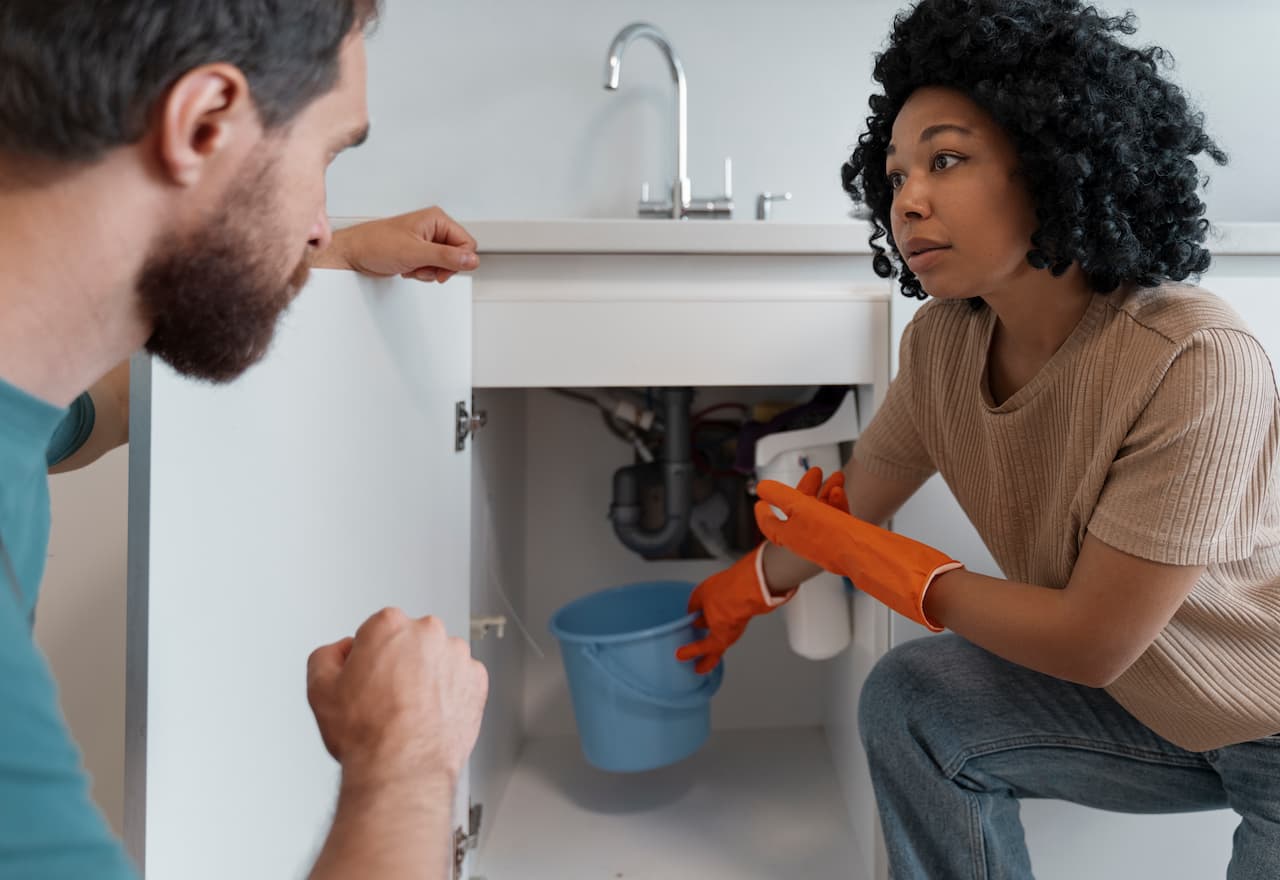
There is a leak under the sink. The water heater is acting up again. A pipe bursts for the second time in a year. You fix it, but in the back of your mind, you wonder if you are just postponing a bigger problem.
Deciding whether to repair or replace plumbing is rarely black and white. Some issues truly need only a simple fix. Others are signs that the system is aging and continuing to patch it may cost more in the long run.
The key is understanding how to evaluate the situation logically instead of emotionally.
Start With the Age of the System
Plumbing components have lifespans.
Water heaters typically last 8 to 12 years. Copper pipes can last decades. Galvanized steel pipes often deteriorate after 40 to 50 years. Fixtures and valves wear out over time with daily use.
If a component is still relatively new and the issue is isolated, repair usually makes sense.
But if the plumbing system is nearing or past its expected lifespan, repeated repairs may be a sign that replacement is the more practical investment.
Age alone does not dictate the decision, but it provides important context.
Consider Frequency, Not Just Severity
One leak in ten years is not alarming.
Three leaks in two years tells a different story.
When evaluating plumbing repair vs replacement, look at patterns. Are problems recurring in different areas of the home? Are you calling for service more often than you used to? Is the issue spreading beyond one fixture?
Frequent repairs can quietly add up. While each fix may seem manageable on its own, the total cost over time can approach or even exceed the price of a full upgrade.
Consistency of failure is often more important than the size of the individual repair.
Evaluate the Cost Comparison Honestly
One of the most practical ways to approach a plumbing upgrade decision is simple math.
If a repair costs a few hundred dollars and extends the life of the system by several years, that is typically worthwhile.
If a repair costs several thousand dollars and the system may fail again soon, replacement may be more economical long term.
For example, replacing a single failing section of pipe might make sense. But if corrosion is present throughout the system, repiping could prevent repeated disruptions.
You can review a more detailed cost breakdown in our guide on the cost to replace plumbing in an older home.
Look at Efficiency and Performance
Sometimes the decision is not just about preventing leaks.
Older plumbing systems can suffer from:
- Reduced water pressure
- Discolored water
- Frequent temperature fluctuations
- Inefficient water heating
In these cases, replacing outdated components may improve overall comfort and efficiency.
Modern materials like PEX resist corrosion. New water heaters operate more efficiently than older models. Upgraded pressure regulators protect the entire system.
When performance declines noticeably, replacement often provides more value than another temporary fix.
Factor in Risk and Potential Damage
Some plumbing issues carry higher stakes than others.
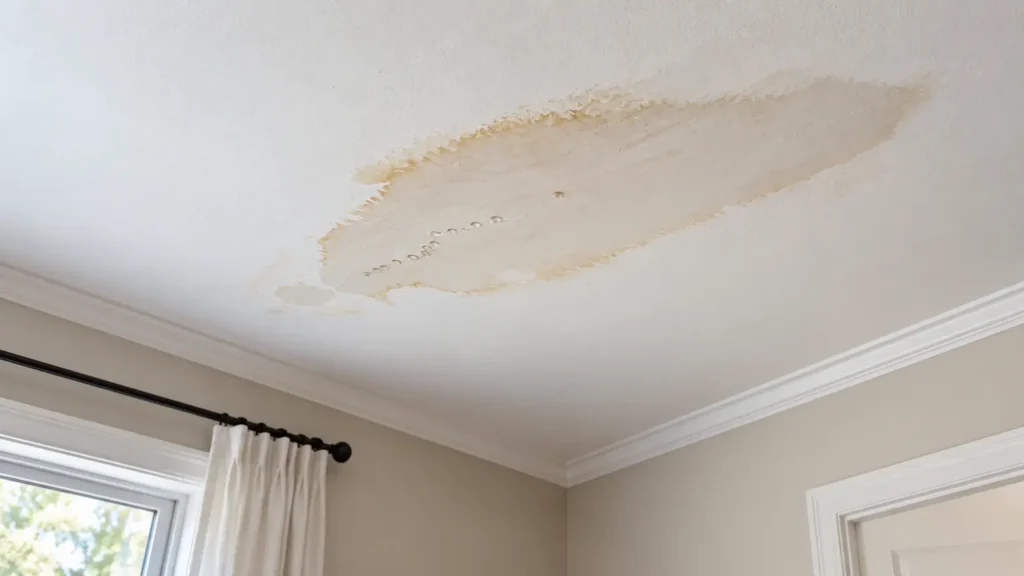
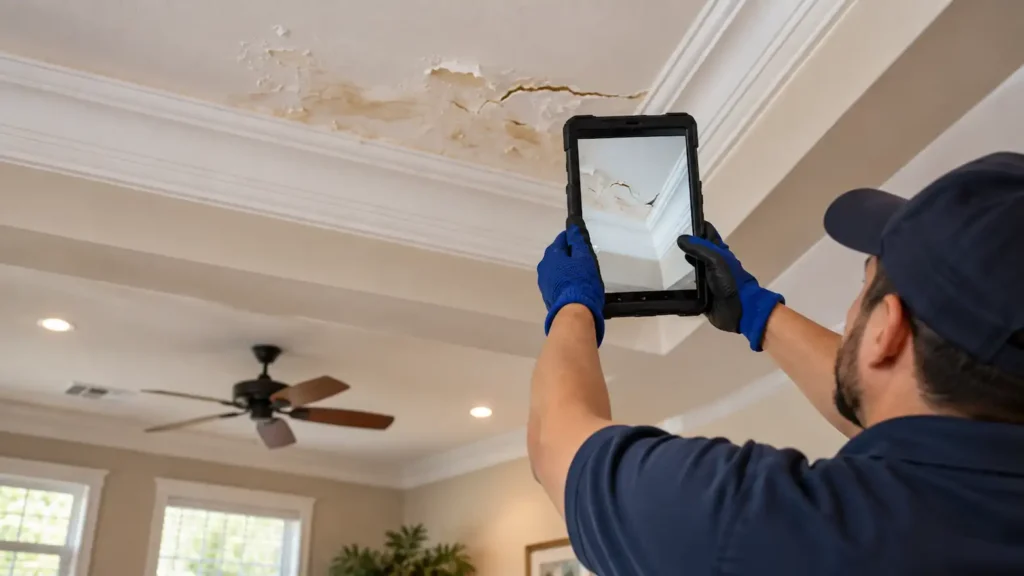
A slow dripping faucet is mostly an annoyance. A cracked main line or aging supply pipes inside walls carry much greater risk. Water damage spreads quickly and can impact drywall, flooring, framing, and insulation.
According to the Insurance Information Institute, water damage remains one of the most common homeowners insurance claims in the United States.
When the potential cost of failure is high, proactive replacement may offer peace of mind that outweighs the upfront investment.
When Repair Makes the Most Sense
Repair is usually the right choice when:
- The issue is isolated
- The system is relatively new
- There is no widespread corrosion
- The cost is modest compared to replacement
In these cases, addressing the specific problem and monitoring the system moving forward is a reasonable approach.
Regular inspections can help ensure small issues do not escalate unexpectedly.
When Replacement Is the Smarter Long Term Move
Replacement becomes more attractive when:
- Problems are recurring
- Pipes are visibly deteriorating
- The plumbing system is decades old
- Repair costs are approaching replacement cost
In these situations, continuing to repair may feel cheaper in the short term but more expensive over several years.
A whole system upgrade can eliminate uncertainty and restore reliability.
Ask the Right Questions Before Deciding
If you are unsure whether to repair or replace plumbing, consider asking:
- How old is the affected component?
- Are other parts of the system likely to fail soon?
- What is the expected lifespan after this repair?
- What would a full replacement cost compared to repeated fixes?
- How disruptive would future failures be?
These questions shift the focus from today’s inconvenience to long term stability.
Think Beyond the Immediate Problem
It is easy to focus on the leak in front of you.
But plumbing systems function as networks. A repair might address one weak point while other aging components remain under stress. Replacement, on the other hand, can reset the system’s lifespan and reduce uncertainty.
There is no universal answer to the repair or replace plumbing question. The right choice depends on your home’s age, your budget, and your tolerance for risk.
The goal is not to overspend. It is to make an informed decision that protects your property and avoids unnecessary repeat expenses.
Make the Decision With Confidence
Repairing plumbing is often the right move. But when repairs become repetitive or the system shows widespread aging, replacement may provide greater long term value.
The smartest plumbing upgrade decision is one based on facts, not frustration. Evaluating age, frequency of issues, cost comparisons, and risk allows you to choose the option that truly serves your home.
If you are weighing whether to repair or replace plumbing in your home, EZ Flow Plumbing can provide an honest assessment of your system’s condition. We will explain what can be repaired safely, what may need upgrading, and what makes the most financial sense long term.
Do not let uncertainty drive your decision. Contact EZ Flow Plumbing today for a professional evaluation and clear guidance on your next step.