Slab leak detection is the way we find a water leak in a supply or drain line that runs under the concrete foundation of a home. In Austin and Central Texas, most houses sit on slab foundations. This makes slab leaks one of the serious plumbing problems a homeowner can face. You cannot reach the pipe unless you cut through the concrete or move the pipe to a spot.
It is important to know that the leak detection is not the same as the repair. People often mix these two things up. That leads to bad choices. If a homeowner starts breaking the concrete just because they see a spot, they might dig in the wrong place. This just wastes money. Makes a mess without actually fixing the leak. The detection step is what turns a sign into an exact spot so the repair actually works.
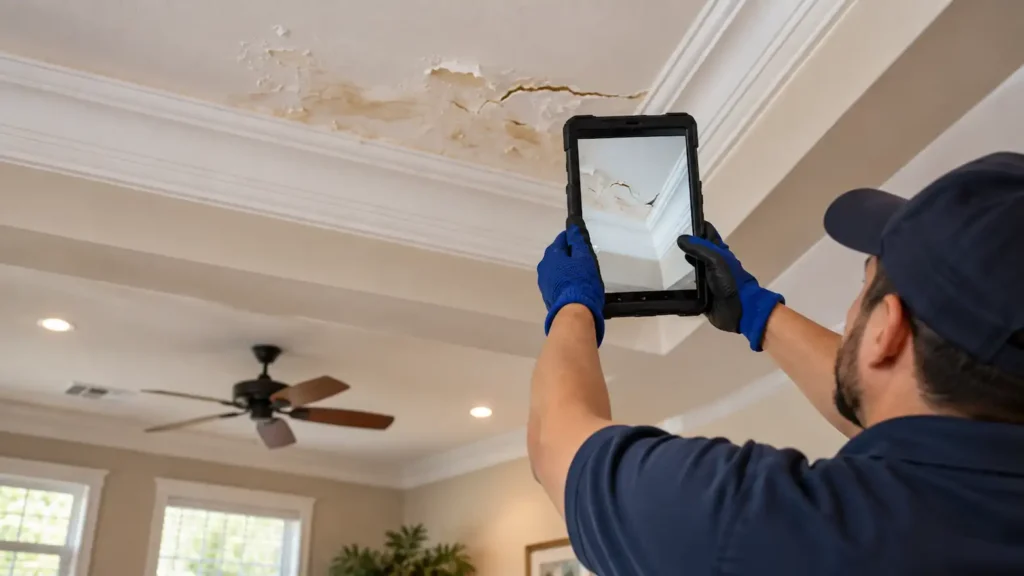
At EZ Flow Plumbing Texas, slab leak detection starts with what you have seen. Your observations help us narrow down the search before we use any tools. We work with homeowners in Austin, Pflugerville, Round Rock, Georgetown, and Hutto who saw something and wanted a real answer before spending money.
Why Slab Leaks Develop in Austin and Central Texas
The conditions that produce slab leaks in Central Texas are specific to the region and worth understanding because they explain why detection cannot always wait. The expansive clay soil common throughout the Austin area shifts substantially with seasonal moisture changes. During dry periods, the soil contracts, and during wet periods it swells, and that cycle puts continuous stress on supply lines embedded in or running directly beneath the concrete.
Austin’s hard water supply adds corrosion from the inside. Copper lines common in homes built between the 1960s and 1990s develop pitting corrosion when exposed to mineral-heavy water over a long period. That pitting creates thin spots in the pipe wall that eventually fail under normal operating pressure. The breach starts small, often at a rate the meter registers before the occupant notices anything, and grows from there.
Water pressure is a third factor. Homes in some Austin neighborhoods experience supply pressure above the 80 psi threshold that residential systems are designed to handle comfortably over time. Sustained elevated pressure accelerates wear on fittings and joints beneath the slab, which are not accessible for inspection or maintenance without slab leak detection locating them first.
The Signals That Make Slab Leak Detection the Right Next Step
Slab leak detection becomes warranted when specific signals appear that point toward a water loss the homeowner cannot trace to any visible source. Not every signal is conclusive individually, but certain combinations make a professional diagnostic the rational next step rather than continued observation.
The signals most commonly associated with an active slab leak include:
- A water bill that has risen across two or three consecutive billing cycles without any change in household usage
- A warm or hot patch on the floor surface, particularly on tile or concrete, that does not correspond to radiant heating or direct sun exposure
- The sound of water moving inside walls or beneath the floor when every fixture in the home is confirmed off
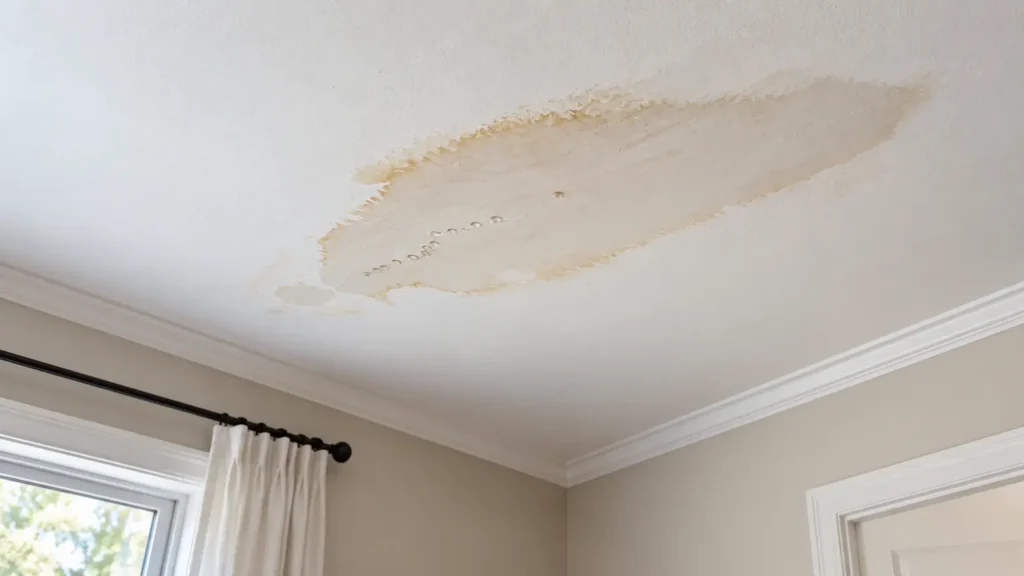
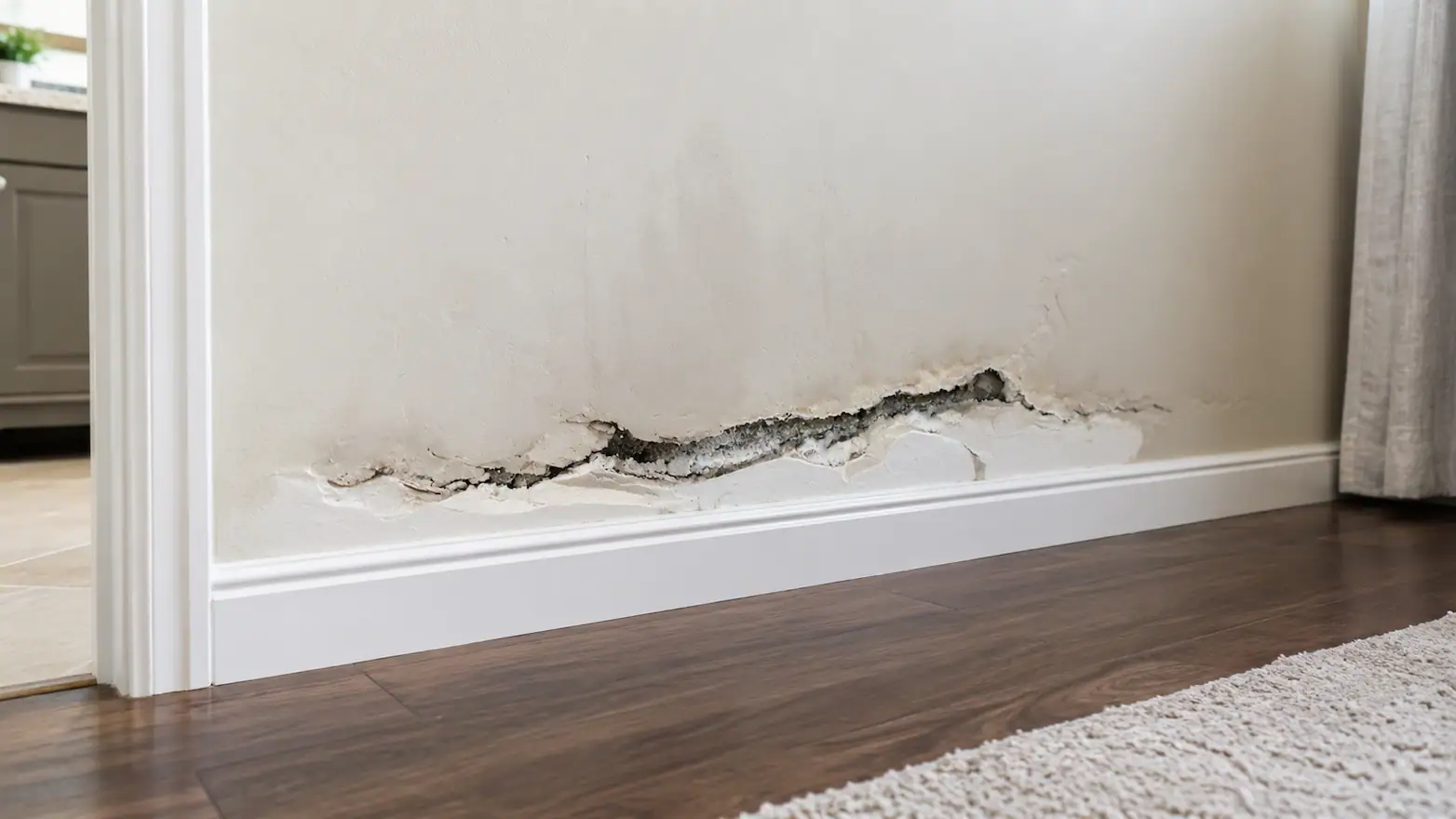
- A soft, damp, or discolored patch on carpet, hardwood, or tile without any overhead plumbing that could explain it
- A water meter that registers usage with all fixtures off and every appliance confirmed idle
- A mold or mildew odor in a specific area without a visible moisture source
The Meter Test: What to Do Before Calling Anyone
The water meter test is the first step in any slab leak detection process. The best part is that a homeowner can do this water meter test without needing any tools. This water meter test tells you if water is moving through your pipes even when you are not using any faucets or toilets. Finding out if water is moving is the important part of a detection process.
To run the water meter test: shut off every water-using fixture and appliance in your home. Make sure to turn off ice makers, irrigation systems, and any appliance that has a water line. Find the water meter at the street. Look at the flow indicator or the digital display. Wait fifteen to twenty minutes without using any water at all. Then go back to check the water meter again. If the indicator moved or if the digital display shows that water was used, then water is moving through your lines when it should not be.
That result does not confirm a slab leak specifically. It confirms an active loss somewhere in the supply system, which could be a slab line, an irrigation connection, or a fixture shutoff that is not fully sealing. What the meter test does is establish that slab leak detection is warranted, so the homeowner is not scheduling a professional inspection on a symptom that twenty minutes at the meter could have resolved or ruled out.
How Professional Slab Leak Detection Works
Professional slab leak detection uses a combination of pressure isolation, electronic amplification, acoustic listening, and sometimes thermal imaging to locate a leak that the meter confirmed is active. Each method addresses a different aspect of the problem, and together they produce a precise location rather than an approximate area.
| Detection Method | What It Measures | Best Suited For |
| Pressure testing | Isolates which line is losing pressure, supply vs. drain | First step after meter confirms active loss |
| Electronic leak detection | Amplifies sound of water escaping through a pipe breach | Locating the precise point of a supply line leak |
| Acoustic listening equipment | Detects vibration at the slab surface above a leak | Narrowing a wide search area to a specific floor section |
| Thermal imaging | Reads surface temperature differences from a hot water leak | Hot supply line leaks near or at the slab surface |
| Video camera inspection | Views drain line interior below the slab | Drain line cracks, root intrusion, or partial pipe collapse |
A licensed plumber selects the combination of methods appropriate for the confirmed symptom and the specific construction of the home. Slab leak detection that uses only one method risks missing the precision that makes the subsequent repair efficient.
Supply Line Leaks vs. Drain Line Leaks Below the Slab
Slab leak detection looks at two systems under your house. You have the supply lines that bring water to your sinks and toilets. Then you have the gravity-fed drain lines that take waste away. The signs of a problem and how to fix the problems are very different for each system.
Supply line leaks never stop because the water is always under pressure. You can find supply line leaks by checking your water meter or looking at a water bill. You might also feel a spot on your floor or see strange wet spots. These supply line leaks usually show up fast after the pipe breaks. Experts use tools to listen for the sound of the leak. These tools work well because pressurized water makes a sound when it escapes through a small hole.
Our leaking pipes service page covers the full scope of what we assess and address for pipe leaks across Austin and Central Texas. Water only moves through a drain line when a fixture above it is in use, and the leak is only active during those periods. The symptoms develop more slowly, often appearing as foundation movement, recurring wet patches in a specific area after heavy use, or unexplained odor rather than a rising water bill.
What Slab Leak Detection Reveals Before Any Repair Is Chosen
The purpose of slab leak detection is not simply to confirm that a leak exists. The meter test does that. The purpose is to establish the precise location of the breach, the condition of the pipe at and near that point, and what the repair options look like before any concrete is disturbed.
A leak located in the center of a long run of copper pipe in a home with otherwise sound pipe condition throughout may be a reasonable candidate for spot repair at the breach point. The same leak in a home where the surrounding copper shows widespread pitting or thinning wall sections is a different situation. Spot repair resolves the current breach, but the next failure in a deteriorating system is likely to appear within a few years regardless of how well the current repair holds.
Rerouting the supply line through a wall cavity rather than repairing beneath the slab is often the more durable long-term choice for homes with aging copper infrastructure, but that decision can only be made responsibly once slab leak detection has established the location, the pipe condition, and the full scope of the problem. A plumber who recommends a repair method before completing the detection is recommending based on assumption.
How to Prepare Before a Slab Leak Detection Visit
A slab leak detection visit gives results when the homeowner has written down the signs before the plumber comes. This does not require any knowledge. It means writing down when the sign first started, if it has gotten worse or moved, which parts of the house are affected, and what the water bill has shown in the two or three months.
Useful information includes how old the house is, what kind of pipes are in the walls if known if any plumbing work was done lately, if the house has a water softener, and if any digging or work on the foundation happened near the house. All of these pieces of information can help speed up the process by removing causes before any tools are used.
Making space on the floor where the sign is strongest also helps. The tools used for finding a slab leak need to touch or be close to the floor above the area where the leak might be. Things like furniture and boxes that block this area make it harder to check during one visit. Might mean another trip is needed.
Getting a Slab Leak Detection Assessment That Leads to a Real Decision
Slab leak detection done correctly produces a specific location, a pipe condition assessment, and a repair recommendation the homeowner can evaluate before committing to any direction. That sequence, detection first and repair recommendation second, is what separates a plumbing visit that moves the situation forward from one that generates as many questions as it answers.
A homeowner who proceeds to slab repair without a confirmed leak location is taking on both the disruption of concrete work and the uncertainty of whether the right section was opened. A homeowner who gets a precise detection result first makes a repair decision with complete information about where the breach is, what the surrounding pipe condition shows, and which repair method fits the actual situation.
If you have noticed signals pointing toward a leak beneath your foundation and want a clear assessment before deciding anything, contact EZ Flow Plumbing Texas to discuss slab leak detection and plan the right leaking pipes service for your property.