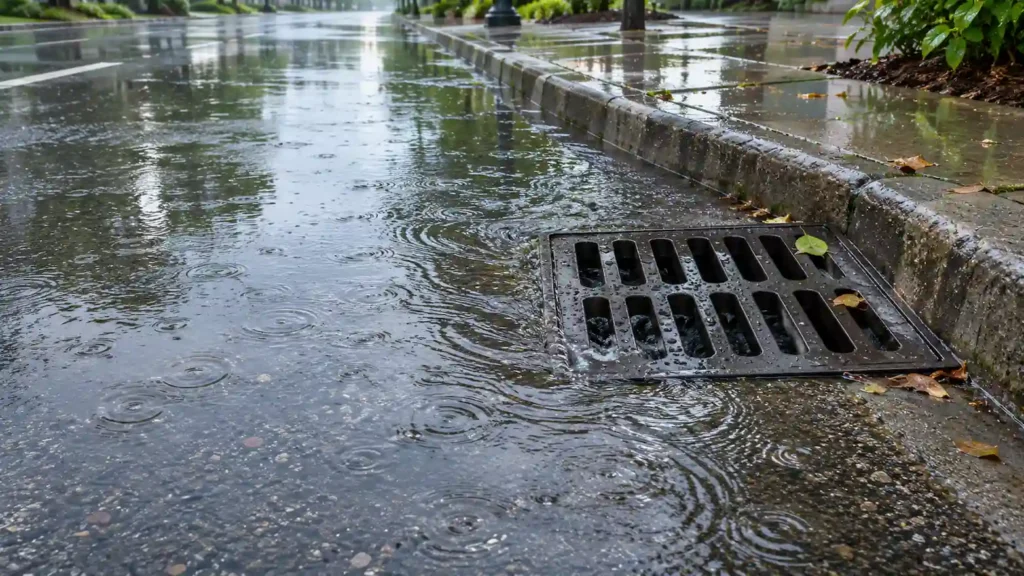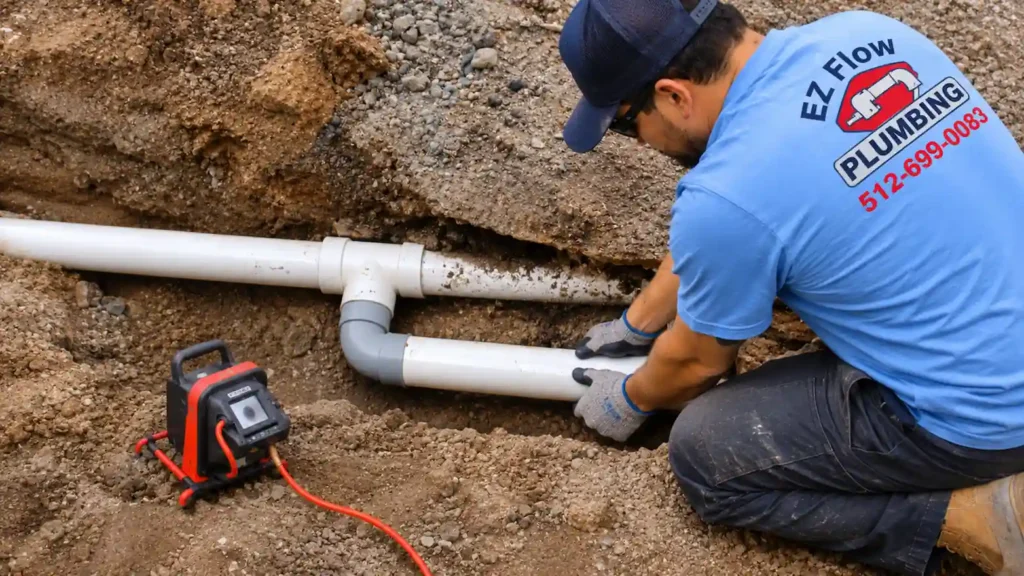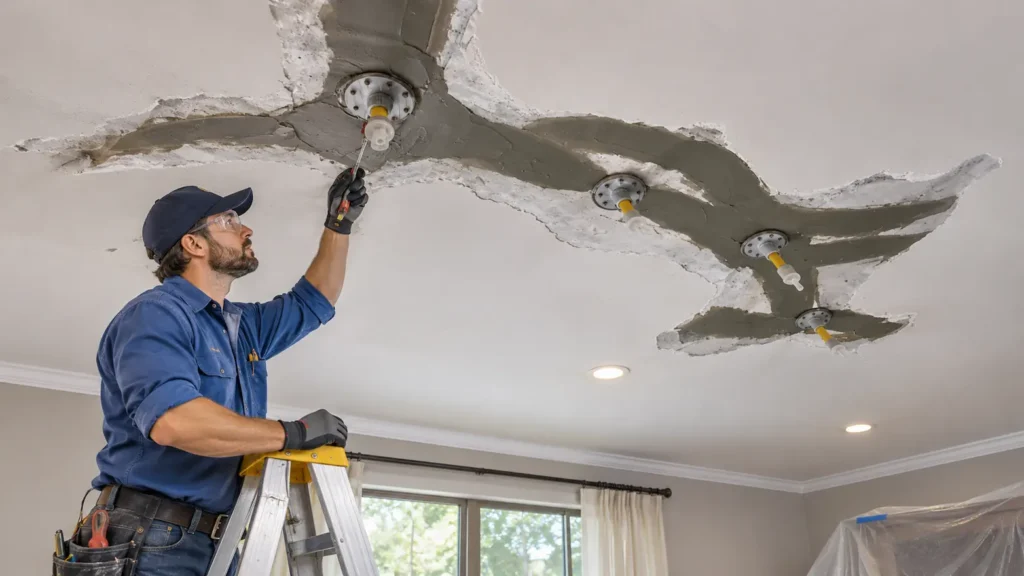

Trenchless water pipe repair is a way to fix or replace a buried water line with little digging, using small access pits instead of a long open trench. It is most often used on the service line that runs from the street meter to the house, where lawns, driveways, and mature trees make excavation costly. This overview of trenchless rehabilitation techniques shows how the main methods work.
It usually takes homeowners discovering a problem with their water line in an unexpected way, like a sudden increase in their water bill or a wet spot in their yard. When that happens, the decision becomes not whether or not to repair the water line, but rather how.
Here at EZ Flow Plumbing Texas, we perform buried water line inspection services for homeowners and business owners in Austin, Pflugerville, Round Rock, Georgetown, and Hutto, TX. We provide our clients with all of the pros and cons of each inspection method.
Trenchless Water Pipe Repair: The Short Definition
Trenchless water pipe repairs are a set of procedures to restore the buried water pipe by making use of small openings. While some procedures will replace the old pipes, others will line the pipes while some repair specific areas only. The objective of trenchless water pipe repair is to restore the water pipe without much excavation, rehabilitation, and disturbance.
The water service line refers to the line that links the city meter with the home, which is commonly the target of the procedure. According to the type of the procedure, there are three results that could occur from trenchless water pipe repair:
- Replacing the old pipe with a new one on the same route
- Lining which forms a new pipe within the old one
- Repairing the damaged part only
The Main Trenchless Methods Compared
Each method suits a different pipe condition. A homeowner comparing trenchless water pipe repair options should know what each one does and where it stops.
| Method | How it works | Best for | Limits |
| Pipe bursting | A bursting head breaks the old pipe outward while new pipe is pulled in | Failed or corroded lines that need full replacement | Needs entry and exit pits, and nearby utilities must be located |
| Pipe lining | A liner is installed inside the old pipe and hardens to form a new wall | Sound pipe with leaks or corrosion | Needs a continuous pipe path and drinking-water-approved materials |
| Horizontal boring | A drill creates a new underground path for new pipe | New routes, or lines under driveways and roads | Needs accurate routing and soil assessment |
| Spot repair via small pit | One damaged section is exposed and fixed | Isolated leaks on otherwise sound pipe | Does not address the rest of an aging line |
Method availability depends on pipe material, depth, access, and what the camera or locator finds, so no single method is best for every property.
When Trenchless Water Pipe Repair Is the Right Fit
Trenchless water pipe repair fits best when the surface above the pipe is expensive or difficult to restore. Common situations include:
- A line that runs beneath a driveway, patio, or sidewalk
- A service line crossing mature landscaping or tree roots
- A long run between the meter and the house
- A property where an open trench would disturb other utilities
- A line whose pipe is aging but still follows a continuous path
Homeowners usually choose it for three reasons:
- Less lawn, patio, and driveway restoration
- Shorter disruption to daily routines
- Lower risk to tree roots and other buried lines
A camera or locator survey confirms whether the existing path is suitable before any method is chosen.
When Trenchless Is Not the Answer
However, no technique will work for all lines, and a realistic analysis shows that to be true. Trenchless pipe repair will not be a good fit if there are sections of the line where the pipe has been caved in, the path contains sharp turns the machinery cannot maneuver around, or buried objects prevent access.
| Factor | Trenchless | Open trench |
| Surface disturbance | Small entry pits | Continuous trench |
| Restoration | Limited patching | Larger landscape and paving repair |
| Visibility of pipe condition | Limited to camera and locator data | Full view of the pipe |
| Best when | Path is continuous and accessible | Pipe is collapsed or path is blocked |
A good contractor will tell you when digging is the smarter option, and that candor is a useful test of whether the recommendation is based on your pipe or on the contractor’s preferred method.
Austin Soil, Water, and Tree Conditions
Austin’s conditions will determine the approach to take. The expansive clay responds to periods of drought and rainfall, creating pressure on joints underneath, while mature live oak and pecan trees’ roots may exert pressure on the existing lines or even entangle them. Hard water also creates mineral deposits on the inside of metal piping systems over time. Trenchless water pipe repairs can reduce the potential harm caused by root zones to the piping system, and this is quite beneficial in Austin areas with mature trees.
Galvanized steel and copper service lines installed in houses between the 1960s and 1980s are nearing the end of their lives, making service line inspection a replacement discussion.
What the Process Looks Like Step by Step
The typical project has a clear process that one should understand in order to know how to make arrangements for the work concerning water shutoff. The sequence of the trenchless water pipe repair project includes the following steps:
- Locate the line and nearby utilities
- Use the camera or the leak locator for the inspection wherever possible
- Select the type of work and check permits
- Make small pits for entry and exit
- Install the new pipe or liner
- Connect and do flushing and testing of the line
- Disinfection and pit restoration where needed
Residential service line projects take days rather than weeks in most cases though the duration depends on many factors including length and depth, soil and inspections. You should ask about the pit location and yard restoration as it affects the lawn.
Ownership, Permits, and What Affects Cost
It all comes down to ownership. Normally, the owner of the property is responsible for the service line from the meter up to the house, while the utility takes care of the meter and the main in the street. Before starting the trenchless pipe repair project, check what permits you need and the location of the property line.
The cost will depend on those aspects and not on some fixed amount:
- Line length and depth
- Technique and type of pipe
- The number of entry/exit pits
- The surface restoration work required
- Permits and inspection costs
- If any other utilities run through the area
It is important that a written estimate provides this information separately in order to make comparisons between the two offers.
How to Choose a Contractor for Trenchless Water Pipe Repair
Choosing a contractor comes down to licensing, equipment, documentation, and straight answers. A plumber who offers trenchless water pipe repair should be able to explain why a method fits your line and what the alternative would be.
A Texas pipe bursting waterline project shows the standards used on larger jobs: contractor experience and certification, testing, temporary water service, and disinfection. The same questions are worth asking on a residential job. Use these criteria:
- A current Texas plumbing license for the person doing the work
- Camera or locator findings you can review
- A clear reason for the recommended method
- A written scope with permits, restoration, and testing
- Warranty terms in writing
- Experience with Austin clay soil and tree roots
What to Expect After the Repair
After trenchless water pipe repair, the line should be flushed, pressure tested, and returned to service with the meter showing no unexplained movement. Small restoration patches in the yard are normal, and grass often recovers quickly. Keep the paperwork, the camera footage, and the permit record together, because they help at resale and with insurance questions.
Watch the water bill and meter for the next billing cycle. A stable reading confirms the repair is holding. At EZ Flow Plumbing Texas, our residential plumbing services start with an assessment and a plain explanation, so you can compare trenchless and open options on facts. A local plumber knows Austin’s clay, its permit process, and its tree-lined lots, and answers for the work long after the last pit is filled.
Plan Before the Pipe Fails
A buried water line is easy to ignore until it leaks, but a planned repair usually costs less and disrupts less than an emergency one. Knowing your pipe material, your options, and your property’s limits puts you in control. Our team holds Texas license RMP 39227 and serves Austin and Central Texas with assessments that show what we find. If you suspect a leak or want a baseline, contact EZ Flow Plumbing Texas and we will walk you through the options.