Shower plumbing repair is the diagnosis and remediation of any failure in the shower’s water supply, temperature control or drainage system. This encompasses the shower valve and cartridge (which control the flow and temperature of water), the supply lines to the valve, the showerhead connection and arm, the drain assembly and p-trap underneath the floor, the branch drain line from the shower to the main stack and in some cases the supply and/or drain lines behind the wall or under the tile which are not normally visible.
The breadth of the shower plumbing repair market is such that two different homeowners describing the exact same problem (a dripping shower or low pressure) could well be looking at two completely different types of repair in terms of the work involved, the cost and the level of disruption. A cartridge replacement in a single handle valve is a very straightforward job which will sort the drip in under an hour without any need to open up the wall at all.
We get repair calls all the time all over Austin, Pflugerville, Round Rock, Georgetown and Hutto and the symptom almost never comes with a clear diagnosis. At EZ Flow Plumbing Texas we take the diagnostic step first and the scope of work is based on what the inspection reveals rather than what the symptom appears to be at first glance.
The Most Common Shower Plumbing Repair Scenarios
Shower plumbing repair in Austin residential properties clusters around a set of recognizable failure patterns, each with a specific location, cause, and resolution path.
| Problem | Most Likely Component | Typical Repair Scope |
| Dripping from the showerhead when off | Worn shower valve cartridge or O-ring | Cartridge or O-ring replacement |
| Inconsistent temperature during use | Failed thermostatic cartridge or pressure-balancing valve | Cartridge replacement or valve body service |
| Low or inconsistent water pressure | Showerhead mineral buildup, supply valve restriction, or supply line issue | Showerhead cleaning or replacement, supply valve check, pipe assessment |
| Shower drain backing up or pooling | Hair and soap clog, p-trap restriction, or branch line buildup | Drain cleaning at shower level or branch line |
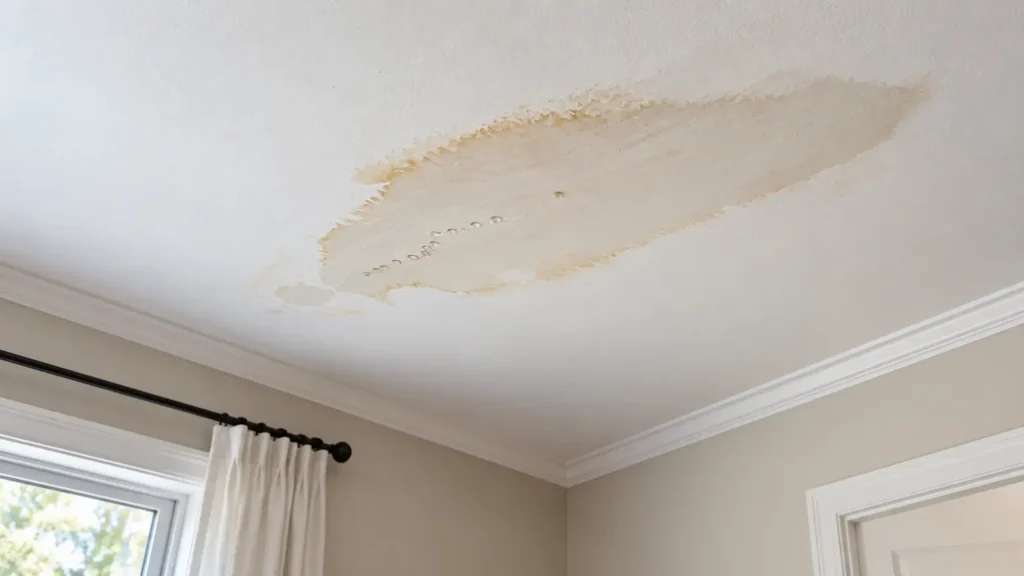
| Water leaking behind the wall or ceiling below | Failed supply line connection, valve body leak, or drain connection leak | Inspection and repair of the specific failed component |
| Shower pan leaking at the base | Failed shower pan liner, cracked grout or tile, or compromised caulk line | Pan liner repair or replacement, grout and caulk restoration |
| Showerhead connection leaking | Worn showerhead arm thread seal or corroded arm | Arm replacement and re-sealing |
Each of these points to a different component in the shower system, and diagnosing from the symptom alone without confirming which component is responsible leads to replacing accessible parts before confirming that they are actually the source.
Why Austin Showers Develop Plumbing Problems More Often Than Expected
The need for plumbing repairs in shower rooms is more frequent in Austin than would be the case in areas with softer water, and this can be explained by local conditions.
The municipal water supply in Austin has some of the highest levels of minerals in Texas. Calcium and magnesium build up on all the surfaces that the water comes into contact with within the shower system, such as the inside of the cartridges, the seat surfaces which are sealed against by the O-rings, the nozzles of the showerhead, and the diverter mechanisms found in multi-function fixtures.
This build-up of minerals is one of the main reasons for the slow dripping, the uneven temperature control, and the decreased water flow that are typically found in shower plumbing repair calls in homes in Central Texas.
The second point to consider is the age of the housing in Austin. A large number of the residential properties there were constructed between the 1960s and the 1980s, which means that the shower valve bodies, the supply connections, and the drain assemblies in those houses have been in use for 40 to 60 years.
Shower Valve and Cartridge Repair: The Most Common Type of Shower Plumbing Repair
The replacement of a shower valve cartridge is the most commonly carried out plumbing repair during residential plumbing service calls in Austin, and if a homeowner wants to assess a repair proposal before agreeing to have the work done they should understand what the repair entails.
The shower valve is the mechanism situated behind the handle or handles and is used for controlling both the flow of water to the showerhead and the mixture of temperatures between the hot and cold water supplies. Inside the valve body, the cartridge is the component which moves in order to carry out these functions. If the cartridge wears out, the shower will drip when the handle is in the off position, the temperature will be hard to control accurately, or the handle will feel loose or will not remain at the desired position.
Temperature and Pressure Issues: What They Tell You Before Anyone Opens the Wall
The repair of the plumbing in the shower when the problem is due to temperature or pressure is a diagnostic difficulty since the same symptom can be caused by a number of different parts and the right repair will depend on discovering which one is actually at fault.
A shower that is hard to control, the water switching suddenly from too hot to too cold even with small adjustments of the handle, is most usually due to a worn-out thermostatic or pressure-balancing cartridge in the valve. Since residential showers are required by code to have a pressure-balancing valve, this type of valve is intended to keep the ratio of hot to cold water supply constant even if the water pressure changes somewhere else in the house, for example when a toilet is emptied.
The fact that the pressure is low specifically in the shower while all the other plumbing fixtures in the house have normal pressure first suggests that the problem lies with the showerhead itself.
Shower Plumbing Repair vs. Bathroom Remodel: When the Scope Changes
When carrying out repairs on the plumbing in the shower, it is sometimes found that the situation makes a simple repair less practical than carrying out a more extensive renovation; a homeowner who knows when this point has been reached can then make a more informed decision as to the extent of the work.
If the cartridge in a shower valve has to be replaced and the valve body itself is still in good condition, the correct course of action is to carry out a repair; but in the case where the valve body has a corroded seat, is a discontinued model with no replacement cartridges available, or is being used in a configuration that fails to comply with present code requirements regarding pressure balancing or anti-scald protection, it is appropriate to recommend replacing the entire valve body rather than trying to restore the assembly since it cannot be made reliable without a full replacement.
The same applies to a shower drain repair that involves the drain body, the shower pan liner, or the waterproofing underneath the tiles; this type of repair goes beyond the scope of simple shower plumbing repair and enters the realm of shower renovation. If a plumber detects moisture seeping through the tiles or a defective shower pan whilst carrying out a drain inspection, the extent of the repair needed to properly solve the problem cannot be achieved by merely carrying out a drain cleaning or replacing the drain body.
Our plumbing repairs service page covers the full scope of what we assess and address for shower and bathroom plumbing conditions across Austin and Central Texas.
What to Document Before the Shower Plumbing Repair Assessment
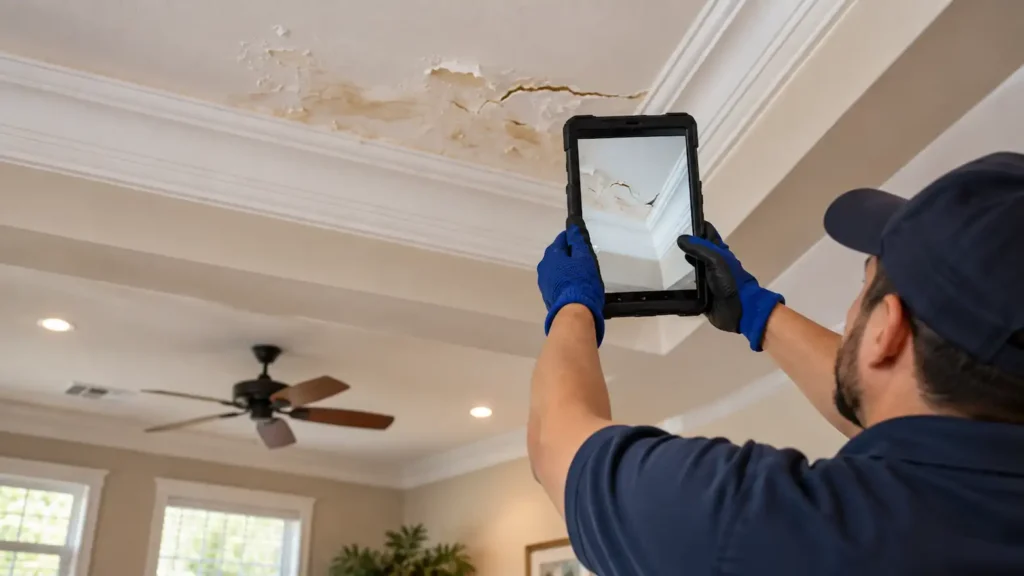
The efficiency of a shower plumbing repair assessment improves when the homeowner has documented the symptom pattern before the plumber arrives. That documentation requires observation, not technical knowledge.
Useful details to have ready before the assessment:
- When the symptom first appeared and whether it has changed since then
- Whether the problem is constant or occurs only under specific conditions, such as during long showers or after the hot water has been running elsewhere in the home
- Whether adjacent fixtures or the ceiling below the shower show any moisture evidence
- The approximate age of the shower fixture and whether the valve or drain have been serviced previously
- The brand or model of the shower valve if it is visible on the trim plate or accessible from an existing panel
- Whether there are any sounds associated with the problem, such as banging, hissing, or water movement when the shower is off
Getting a Shower Plumbing Repair Assessment That Leads to the Right Fix
Shower plumbing repair done correctly produces a confirmed component failure, a condition assessment of the surrounding system, and a repair recommendation the homeowner can evaluate before committing to any work. That sequence, diagnosis first and scope recommendation second, is what separates a service visit that resolves the problem from one that replaces the most accessible component while the actual failure continues.
The homeowner who can describe the symptom pattern accurately, identify whether adjacent areas show moisture evidence, and knows whether prior repair work has been done on the same fixture contributes directly to a faster and more accurate diagnostic. That accuracy is the difference between a repair visit that holds and one that comes back within months because the root cause was not confirmed before the work began.
If your shower has a persistent problem and you want a direct assessment of what is causing it before any work begins, contact EZ Flow Plumbing Texas to talk through what you are experiencing and plan the right shower plumbing repair service for your property.