Toilet repair means diagnosing why a toilet is leaking, running, clogging, flushing poorly, refilling incorrectly, or failing to seal at the base, then deciding whether a targeted fix is enough or replacement should be reviewed. The right answer depends on the symptom, leak location, tank parts, valve condition, bathroom plumbing layout, and whether the issue is isolated to one fixture.
For Austin-area homes and businesses, a toilet problem can interrupt more than comfort. It can affect daily routines, restrooms, customer areas, employee spaces, rental properties, and water bills. A running toilet may seem minor until it wastes water for days.
At EZ Flow Plumbing, we treat toilet repair as a practical diagnosis first. The goal is to find out what failed, explain the options clearly, and help the property owner avoid paying for guesswork.
What should you check first before toilet repair?
It should start with observation, not force. Look at what the toilet is doing. Is it running after every flush? Is water pooling near the base? Is the tank slow to refill? Does the handle feel loose? Does the toilet clog often? Does the bowl water rise too high, drain too slowly, or fail to clear?
These details help separate a simple tank issue from a deeper bathroom plumbing problem. A running toilet often points to the flapper, fill valve, flush valve, chain, float, or water level.
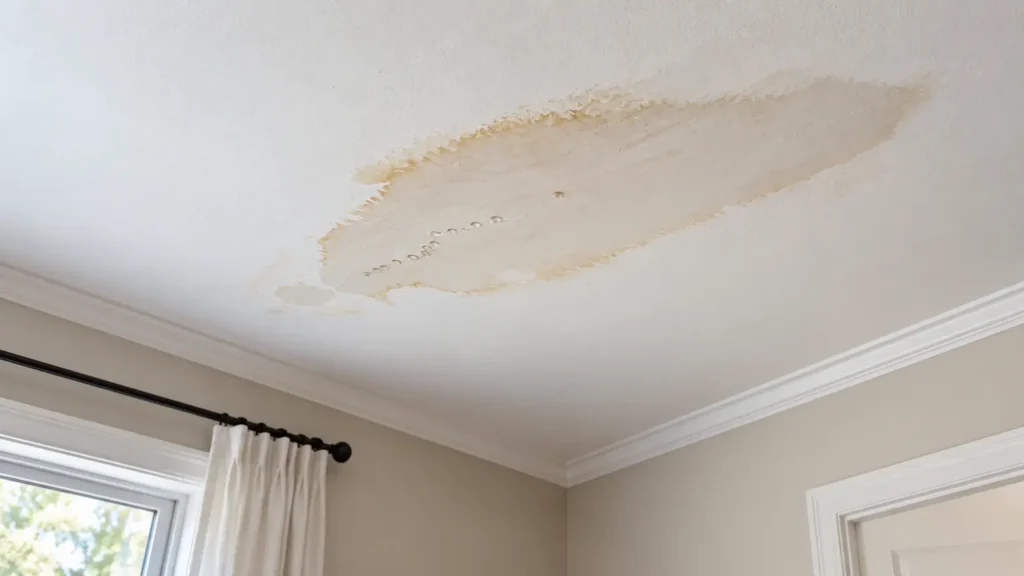
Do not ignore water around the toilet. Even a small leak can affect flooring, subfloor material, nearby walls, and lower levels of the property. When water is spreading or the toilet will not stop overflowing, shut off the fixture valve if you can do so safely and call a licensed plumber.
Common signs that toilet repair may be needed
Toilet repair is usually worth scheduling when the same symptom keeps returning. One unusual flush may not mean much. A pattern does. Toilets are simple from the outside, but inside the tank and beneath the fixture, several parts have to work together.
A running toilet is one of the most common signs. The sound may continue after flushing, stop and start during the day, or appear only at night when the home is quiet. This can come from a worn flapper, incorrect float setting, leaking flush valve seal, or fill valve problem.
Other signs include water near the base, rocking at the floor, a handle that sticks, slow tank refill, weak flushing, bubbling sounds, or water moving in the bowl when nobody has flushed.
| Symptom | Possible cause | Why it matters |
| Toilet keeps running | Flapper, fill valve, float, or flush valve issue | Can waste water and increase bills |
| Water at the base | Wax ring, flange, loose bolts, or cracked fixture | Can damage flooring and subfloor |
| Weak flush | Low tank level, worn parts, bowl issue, or restriction | May keep returning without diagnosis |
| Slow refill | Fill valve, supply line, shutoff valve, or pressure issue | Can affect normal bathroom use |
| Toilet rocks | Loose bolts, flange issue, uneven floor, seal risk | Can break the seal and cause leaks |
| Frequent clogs | Fixture issue, usage pattern, or bathroom plumbing concern | Needs diagnosis before repeated clearing |
Running toilet issues should not be ignored
A running toilet may look like a small annoyance, but it can become expensive when it continues for days. Many toilet leaks come from old or worn flappers, which control water movement from the tank into the bowl.
That does not mean every running toilet needs a major repair. It means the issue should be checked properly. A flapper may be worn. A chain may be too tight. The water level may be too high.
Toilet repair for a running fixture should include checking the tank parts and confirming whether the toilet stops refilling after adjustment or part replacement. If the toilet keeps running after quick fixes, the problem may be deeper than one visible part.
Toilet valve problems and what they can affect
A toilet valve issue can show up in several ways. The fill valve controls water entering the tank after a flush. The flush valve releases water into the bowl. The shutoff valve controls water supply to the fixture. Any of these can affect performance, noise, water use, or repair urgency.
A failing fill valve may cause slow refill, constant refilling, hissing, or inconsistent water level. A worn flush valve seal may let water leak into the bowl. A stiff or leaking shutoff valve can make service harder when the toilet needs attention.
This is where toilet repair should be handled carefully. Tank parts may look easy to replace, but the wrong adjustment can create new problems. Too much water can waste water. Too little water can weaken the flush.
Toilet repair vs replacement: how to decide
Toilet repair usually makes sense when the fixture is in good condition and the issue is tied to a replaceable part, adjustment, seal, or connection. Replacement becomes more practical when the toilet is cracked, outdated, inefficient, loose because of structural issues, or needing repeated service.
The decision should not be based only on age. Some older toilets still function, but they may use more water or require more maintenance. Some newer toilets can be repaired with simple parts.
| Decision point | Repair that may fit | Replacement that may fit |
| Tank parts | Flapper, fill valve, handle, or chain issue | Internal damage or repeated part failures |
| Leak source | Supply line, valve, tank bolt, or wax ring | Cracked bowl, cracked tank, or unstable fixture |
| Flush performance | Adjustment or part replacement can restore function | Weak design or recurring flush problems |
| Toilet age | Fixture is still efficient and stable | Older unit uses more water or needs repeated work |
| Floor connection | Bolts or seal need correction | Flange, floor, or fixture damage is significant |
| Cost pattern | One clear fix solves the issue | Repairs keep stacking up |
A licensed plumber should explain what failed and why. A quick answer without diagnosis can lead to the wrong choice.
When a leak changes the urgency
Toilet repair becomes more urgent when water is visible. Water at the base may come from condensation, a loose connection, a failed wax ring, a cracked toilet, or a supply line problem. The source matters because the right repair depends on where the water begins.
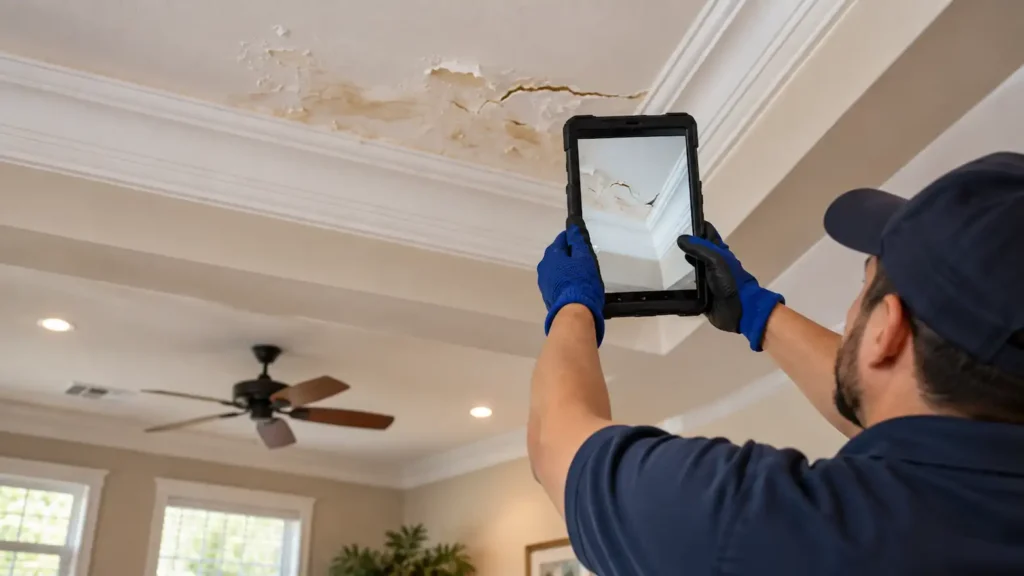
A base leak deserves attention because it can affect flooring and subfloor material before the damage becomes obvious. A tank leak may affect the wall, floor, and nearby cabinetry. A supply valve leak can worsen if the valve is old, corroded, or difficult to close.
If the toilet is overflowing, treat the situation as urgent. Stop using the fixture, shut off the local valve if possible, and protect the floor from spreading water. A bathroom plumbing issue can move quickly when water is uncontrolled.
Why clogs are not always the same problem
A clogged toilet does not always mean the same thing. Some clogs come from too much paper or something that should not have been flushed. Others come from a weak flush, low water level, old fixture design, mineral buildup, or an issue in the bathroom plumbing path.
Toilet repair may be needed when clogs keep returning in the same fixture. Repeated plunging can clear the moment, but it does not explain why the toilet struggles. A plumber should look at the fixture behavior, flush strength, water level, and whether nearby drains show symptoms too.
This article stays focused on toilet diagnosis and repair, not sewer jetting or drain jetting. If several fixtures back up at the same time, that may point beyond the toilet itself.
Homes and businesses need different toilet repair planning
Toilet repair in a home often affects convenience, family routines, and water bills. Toilet repairing in a business can affect customers, employees, tenants, cleaning schedules, and restroom availability. The symptom may look the same, but the urgency can be different.
A running toilet in a home may be frustrating. In a business, it may waste water for hours before anyone notices. A leak in a guest bathroom may be inconvenient. A leak in a customer restroom may create safety concerns and damage risk.
Commercial restrooms also tend to see heavier use. That can affect valves, seals, handles, supply lines, and fixture wear. A local plumbing service should consider how often the fixture is used, who depends on it, and whether repair or replacement better protects the property.
What a plumber should review during the visit
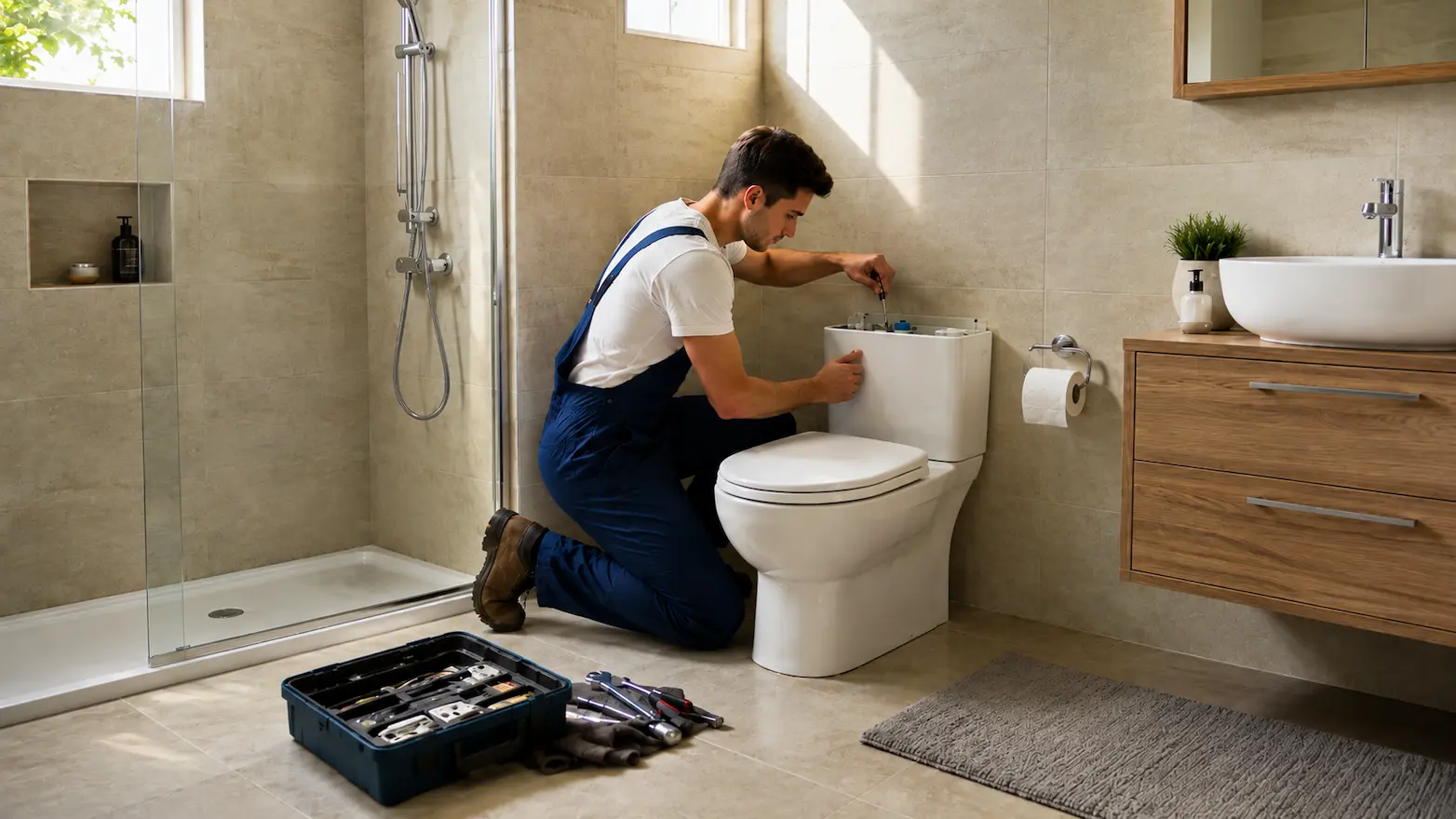
A toilet repair visit should look at more than the symptom. A plumber may check the tank parts, fill valve, flush valve, flapper, handle, chain, float, water level, supply line, shutoff valve, tank bolts, wax ring, closet flange, floor stability, bowl condition, and leak source.
The plumber should also ask how often the issue happens. Does the toilet run after every flush or only sometimes? Does it clog with normal use? Is the leak constant or only after flushing? Did the problem begin after a recent repair, flooring change, remodel, or fixture replacement?
This kind of plumbing diagnosis keeps the repair grounded. The goal is not only to make the toilet work for the moment. The goal is to correct the part of the system that is actually failing.
Why EZ Flow Plumbing versus guessing or waiting?
Toilet repair can seem simple until the same issue keeps coming back. Guessing can mean replacing the wrong part, missing a leak source, overtightening bolts, ignoring a failing shutoff valve, or leaving a loose base untreated.
At EZ Flow Plumbing, we provide toilet plumbing repair for Austin-area homes and businesses, including issues such as running toilets, leaks, clogs, and installation needs. Our approach is practical: look at the symptom, inspect the fixture, explain the repair option, and help the property owner decide what makes sense.
Waiting may feel easier, especially when the toilet still works most of the time.
Schedule a toilet repair visit before the issue grows
Toilet repair is a decision point, not just a quick fix. A good diagnosis should explain whether the issue is inside the tank, at the base, in the valve, near the supply connection, in the fixture itself, or tied to nearby bathroom plumbing.
For Austin-area homeowners and businesses, the best next step is simple: get the issue looked at properly before water waste, leaks, odors, or repeat clogs create more stress.
At EZ Flow Plumbing, we help customers understand the repair clearly and choose the next step with confidence. Get clear plumbing guidance from our local Austin team and schedule a service visit when the toilet needs more than another temporary fix.