Home repiping with PEX is the replacement of a residential supply system using cross-linked polyethylene tubing. This flexible plastic pipe material has become the default choice for whole-house repiping in most of the country over the past two decades. The work involves removing the existing supply lines throughout the home, whether galvanized steel, polybutylene, or aging copper, and running new PEX from the main shutoff through walls, floors, and ceilings to every fixture and appliance served by the system.
A whole-house repipe replaces every supply line as a single project. A partial repipe addresses a specific failing section, a corroded galvanized run under a kitchen wall, a polybutylene loop in the master bath, or a damaged segment surfaced during a slab repair, while the rest of the system remains in place. Each scope has a different cost, a different disruption level, and a different rationale, and confusing one for the other is where repipe conversations most often go sideways.
We handle home repiping with PEX assessments and installations across Austin, Pflugerville, Round Rock, Georgetown, and Hutto. At EZ Flow Plumbing Texas, no repipe recommendation goes out before a full system assessment confirms which scope the evidence actually supports.
The Pipe Materials That Lead Austin Homes to This Conversation
The majority of home repiping with PEX projects in Central Texas originate in properties built before 1990. Those homes were supplied with one of three materials now at or past the end of their reliable service life: galvanized steel, polybutylene, or copper that has spent decades in contact with Austin’s mineral-heavy water without the maintenance that material requires to hold up in this region.
Galvanized steel corrodes from the inside out. The zinc coating that originally protected the pipe interior degrades over time, and the exposed steel oxidizes into rust deposits that gradually narrow the pipe diameter. Pressure drops across the home, fixtures deliver discolored water after idle periods, and flow rates that served the household adequately thirty years ago become noticeably insufficient under normal demand.
In Austin homes built through the early 1970s, galvanized supply lines are often behind persistent low-pressure complaints that no regulator adjustment or fixture upgrade resolves, because the restriction is inside the pipe wall. Polybutylene tells a different story. Installed in Austin homes from the late 1970s through the mid-1990s, this material reacts chemically to oxidants in the municipal water supply, becoming brittle at fittings and joints over time.
PEX vs. Other Pipe Materials: How the Comparison Actually Reads
Home repiping with PEX is the most common residential repipe choice today, but understanding how it compares to the alternatives gives a homeowner a basis for evaluating any proposal beyond its price tag.
| Material | Expected Lifespan | Corrosion Resistance | Flexibility | Cost vs. PEX | Best Application |
| PEX | 50+ years | Excellent, no corrosion or pitting | High, bends without fittings | Baseline | Most residential repiping projects |
| Copper | 50+ years | Good, but pits in hard water over time | Low, needs fittings at every turn | 25 to 40% higher | Visible runs, specific code sections |
| CPVC | 25 to 40 years | Good in most water conditions | Moderate, needs fittings | Comparable to PEX | Smaller repair or partial sections |
| Galvanized steel | Fails at 40 to 50 years typically | Poor, corrodes from inside out | None | Lower material, higher labor | No longer used in new residential work |
PEX’s flexibility is what sets it apart operationally in a repiping project. It routes through existing wall cavities with far fewer wall openings than rigid pipe requires because it bends around obstacles without fittings at each turn.
The Symptom Patterns That Usually Precede a Repipe Recommendation
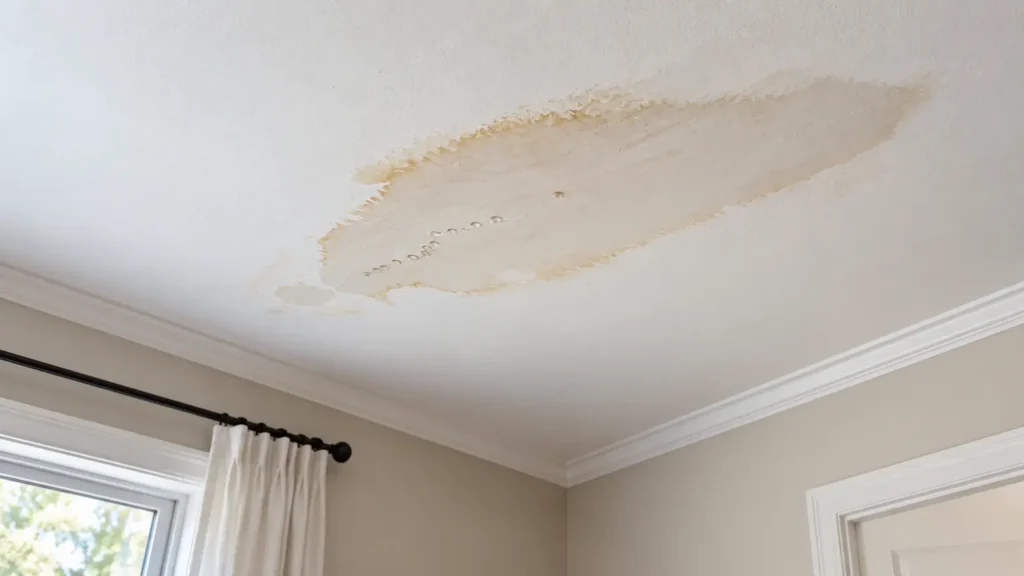
Home repiping with PEX enters the picture after symptoms appear that suggest the supply system is deteriorating broadly rather than failing at a single isolated point. A pinhole in a copper line in a 12-year-old home is a repair. The same symptom in a 45-year-old galvanized system that has already had two sections replaced in the past four years is a conversation about whether further repair still makes sense.
The symptoms most consistently associated with a repipe recommendation:
- Whole-home water pressure that has dropped and does not respond to regulator adjustment
- Pinhole leaks surfacing in different sections of the supply system within a short span of time
- Rust-tinged or discolored water at fixtures, especially after the system has sat unused overnight
- Pipe material confirmed as polybutylene during a pre-sale inspection or remodel project
- Visible green mineral staining or surface corrosion on exposed copper in utility spaces or under sinks
- Pressure that drops noticeably when two or more fixtures run simultaneously
- A repipe recommendation following slab leak repair in a property with copper supply lines of significant age
None of these automatically requires home repiping with PEX. Each one is the starting point for a diagnostic that looks at the full picture: pipe material, system age, history of service calls, and the condition of everything that has not yet failed.
Full Repipe vs. Partial Repipe: How to Read Which Scope Makes Sense
Home repiping with PEX at a full-house scope is not the right answer for every aging pipe system, and a partial repipe is not always the conservative and prudent choice it might appear to be. The scope the evidence supports depends on what the pipe condition assessment shows across the system as a whole, not just the section that surfaced as the presenting problem.
| Factor | Points Toward Partial Repipe | Points Toward Full Repipe |
| Pipe material | Copper with isolated pitting, rest of system sound | Galvanized or polybutylene throughout the home |
| System age | Under 30 years, no history of multiple failures | Over 40 years, multiple failure events across sections |
| Failure pattern | First isolated leak, no prior section replacements | Leaks in different sections within a two to three year span |
| Water appearance | Clean flow, no discoloration at fixtures | Rust or discolored water after idle periods |
| Inspection findings | Most pipe walls intact, one area of concern | Widespread corrosion, thinning sections, prior patches |
| Project context | Isolated fixture repair or minor renovation | Pre-sale inspection, whole-house remodel underway |
Replacing one section of a galvanized system while leaving equally corroded galvanized pipe throughout the rest of the walls is a repair that delays rather than resolves the actual problem.
What Happens During the Installation From Day One Through Completion
Home repiping with PEX in a typical Austin home runs between one and three working days for the plumbing portion of a full whole-house project, depending on the home’s footprint, the number of fixtures and appliances served, how accessible the existing pipe routes are through the structure, and whether the contract includes the restoration work that follows the plumbing.
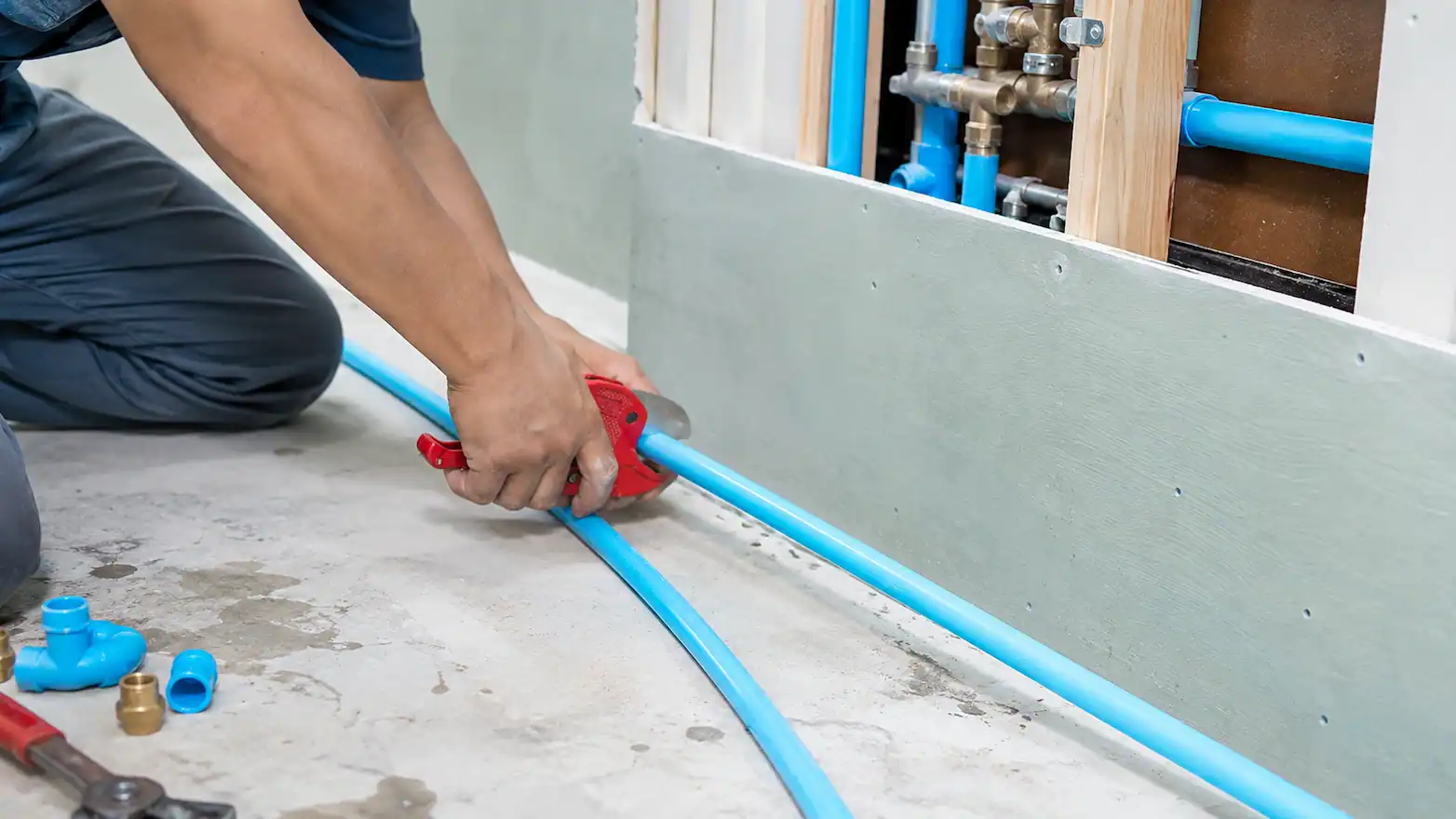
The plumbing work involves accessing the existing supply routes through walls, ceilings, and floor cavities at the points where the old lines run, removing the deteriorating supply lines, and routing new PEX from the main shutoff or a central manifold to each fixture location throughout the home. PEX runs in continuous lengths wherever the layout allows, which keeps the number of connection points in the finished system low.
Once the new lines are installed and pressure-tested, the home requires drywall repair, paint touch-up, and in some cases tile or flooring restoration in the areas where wall or floor access was needed. That restoration scope is sometimes included in the repipe contract and sometimes priced separately.
Why Austin’s Water Chemistry Makes the Material Choice Matter More Here
Austin and Central Texas rank among the hardest water regions in Texas. The municipal supply carries elevated concentrations of calcium and magnesium that leave mineral deposits on every surface the water contacts over time, and that chemistry interacts with different pipe materials in measurably different ways over a decades-long service life.
Copper pipes in Austin develop pitting corrosion faster than in soft water regions. The reaction between the water chemistry and the copper interior accelerates with higher mineral content, which is a central reason why home repiping with PEX has become the preferred approach for older Austin homes over copper-to-copper replacement. PEX does not react to the minerals in Austin’s water, does not develop pitting, and does not accumulate scale along its interior walls.
Our plumbing repairs page covers the scope of what we assess and address for residential pipe systems across Austin and Central Texas. For homeowners managing hard water effects across multiple systems simultaneously, pairing home repiping with PEX with a whole-house water softener installation addresses the mineral load at the point of entry rather than treating its effects appliance by appliance.
What a Completed PEX System Looks Like and How It Changes Day-to-Day Function
Home repiping with PEX in a modern residential installation uses one of two layout configurations. A manifold system routes individual PEX lines from a central distribution panel to each fixture in the home. A home-run layout dedicates a line from the water source directly to each fixture without branching along the way. Both reduce the number of in-wall fittings compared to the trunk-and-branch copper layout that was standard in homes built before 1990.
The manifold approach changes how maintenance and repairs work after the repipe is complete. Individual shutoffs at the panel allow any one line to be isolated for service without cutting water to an entire wing of the home. A fixture replacement or a line repair becomes a single-shutoff task rather than an event that takes the household’s water offline for the duration.
The visual result of home repiping with PEX is a clean, color-coded supply system running through the structure with a limited number of connection points. Red lines carry hot water, blue lines carry cold, and the absence of soldered copper joints or corroded threaded fittings throughout the walls means the system has fewer locations where a failure can develop over the next several decades of service.
Getting the Assessment That Makes the Right Decision Possible
Home repiping with PEX is the right answer under specific conditions, not a default recommendation for every aging Austin home. The assessment that precedes the recommendation is what confirms whether those conditions are actually present and what scope they support, and a thorough assessment is what makes the decision defensible rather than reactive.
A homeowner who moves to a full repipe without a confirmed pipe condition picture may be addressing a problem a targeted repair would have resolved for a fraction of the cost and disruption. A homeowner who keeps patching a system that a proper assessment shows is deteriorating broadly ends up spending more on incremental repairs than the repipe would have cost at the point when the pattern became clear.
If you have received a repipe recommendation and want an evaluation grounded in a complete pipe condition assessment, or if you are starting to see the symptom patterns that typically precede this conversation, contact EZ Flow Plumbing Texas to book a plumbing visit and have your supply system evaluated before the issue becomes more disruptive.