Fixing a leaky faucet almost always comes down to one small, worn-out part hiding inside the handle, and homeowners who understand how to fix a leaky faucet correctly usually save themselves a service call for what turns out to be a short job. The trickier part isn’t the repair itself, it’s telling apart an ordinary tired washer from a leak actually pointing at something bigger behind the wall.
Homes across the Austin area deal with this question constantly, partly because mineral-heavy tap water wears down faucet internals faster than gentler water would elsewhere. A kitchen faucet dripping after years of steady use is probably nothing more than an aging part ready for replacement. A bathroom faucet that keeps leaking no matter what gets swapped, though, might hint at a corroded supply line, a shutoff valve on its way out, or pressure building up where it shouldn’t.
At EZ Flow Plumbing, we never assume a leak call is automatically simple. Before offering any recommendation, we want to confirm whether the faucet itself is the source of trouble or whether it’s just where a larger problem happens to be making itself known first.
Identifying What’s Actually Broken Inside The Faucet
Every faucet counts on an internal seal closing snugly enough to stop the flow the second the handle turns off. Depending on the faucet style, that seal might be a rubber washer, a ceramic disc cartridge, or a small O-ring, and each one wears out in its own particular way over the years.
Mineral buildup speeds this process along considerably, since hard water leaves deposits that pit metal parts and stiffen rubber components faster than soft water would, one more reason how to fix a leaky faucet questions come up so often around here. That mineral content is a big reason faucets throughout Central Texas tend to need attention sooner than fixtures in areas with gentler water.
Anyone learning how to fix a leaky faucet needs to first figure out which faucet type they’re actually dealing with, since compression, ball, and cartridge designs each fail differently and each calls for their own specific replacement parts.
The Steps That Don’t Require A Professional
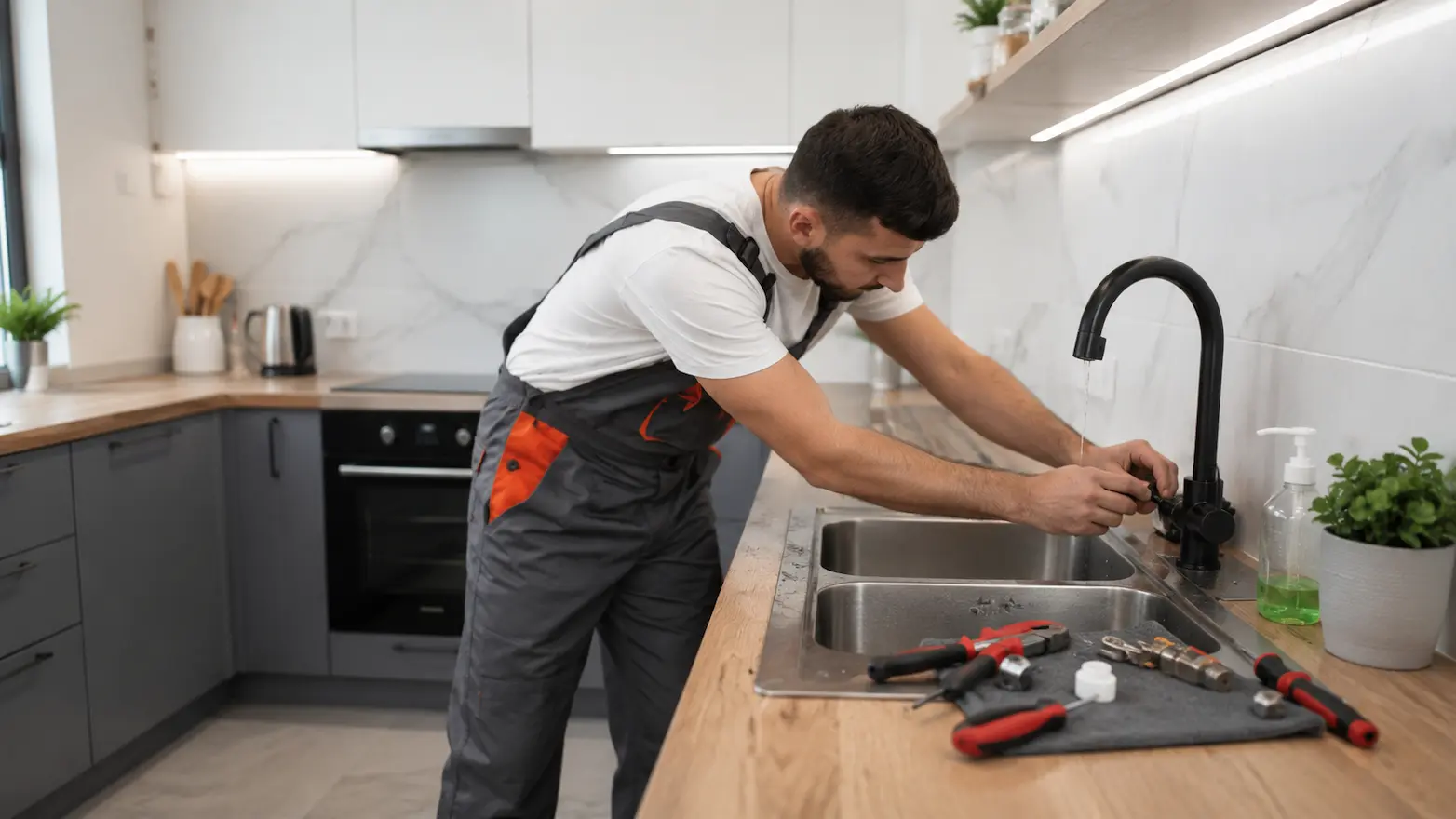
Cutting the water supply at the valves beneath the sink comes first, and this step is genuinely manageable for almost anyone regardless of experience. With the water off, briefly opening the handle clears out any leftover pressure sitting in the line before disassembly begins.
From there, examining the washer, cartridge, or O-ring tucked inside the handle assembly typically reveals exactly what went wrong: a worn-down washer, a cracked O-ring, or a buildup of mineral scale sitting where a clean seal used to be. Replacing that one component usually resolves the issue on a standard compression faucet.
This whole process stays firmly within reach for someone figuring out how to fix a leaky faucet on their own, since a routine faucet repair never involves gas lines, household wiring, or any pressurized system beyond the ordinary water supply feeding that sink.
Repeat Drips: What They’re Really Telling You
A leak that comes back within a few days of being fixed is worth taking seriously and usually means the first pass at how to fix a leaky faucet missed the actual cause. Sometimes the issue is as simple as the replacement part not quite matching that faucet’s specific model, something that happens fairly often with older or unusual fixtures.
Other times, the washer was never actually the culprit. A corroded or pitted valve seat can keep dripping even against a fresh washer, since a watertight seal depends on both surfaces meeting each other evenly, not just one side being replaced.
A drip surviving a genuine repair attempt usually signals that the real problem sits deeper than a single worn part, and continuing to swap the same washer repeatedly only puts off dealing with whatever’s actually going wrong.
Pipe Repair Warning Signs Beyond The Handle
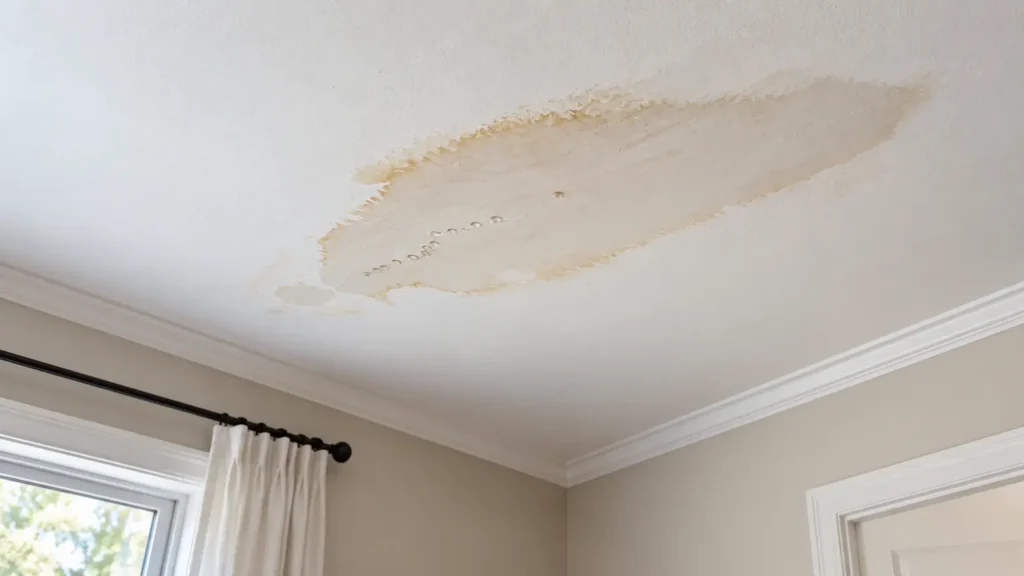
Pipe repair becomes the real conversation once a leak refuses to stay contained within the faucet handle itself, right where basic guidance on how to fix a leaky faucet stops covering the situation. Water collecting under the sink cabinet, discoloration spreading along the wall behind a fixture, or a lingering musty odor near the faucet all suggest the supply line or its connections could be the actual culprit.
A fair number of older homes throughout the Austin region still run galvanized supply lines to individual fixtures, and those pipes rust from the interior in ways that stay hidden until a leak or noticeable pressure drop finally exposes the problem. A faucet connected to a corroding line will keep dripping regardless of how many times someone services the fixture itself.
Pipe repair in cases like these targets the actual source rather than the symptom appearing at the tap, confirming that how to fix a leaky faucet is only part of the picture when a persistent leak deserves attention beyond just the handle assembly.
When It’s A Water Line Problem, Not Just A Faucet
Water line repair enters the picture once trouble extends past a single fixture’s supply and into the wider plumbing network serving a home or business, a scale of problem that has nothing to do with how to fix a leaky faucet anymore. Weak water pressure throughout the property, multiple fixtures leaking around the same period, or discolored water can all signal a line issue rather than one troublesome faucet.
A faucet dripping once every second can waste upward of 3,000 gallons annually, a figure that climbs dramatically once an actual water line leak enters the picture instead of a slow drip.
Getting water line repair right requires someone capable of tracing the plumbing’s actual route, since guessing which section failed based on one visible symptom often results in fixing the wrong location entirely.
Slab Leaks: The Damage You Don’t See Coming
Slab leak signs rarely resemble a typical faucet drip, which explains why even someone who knows how to fix a leaky faucet inside and out can still miss them for extended periods. A warm patch appearing on the floor in a slab foundation home, a water bill that jumps unexpectedly, or running water sounds when every fixture in the house sits shut off are all telltale indicators.
Homes resting on concrete slabs, common throughout this part of Texas, route water lines beneath or through that slab, and a leak occurring there doesn’t announce itself the way a dripping faucet would. By the time slab leak signs become impossible to ignore, the leak has frequently been active for weeks already.
Spotting slab leak signs early carries real value, since these leaks tend to escalate quietly, and identifying one before it harms flooring or the foundation itself saves substantially more than addressing it early on would have cost. Learn more about how we approach leaks of every scale on our leaking pipes service page.
Modern Leak Detection Methods
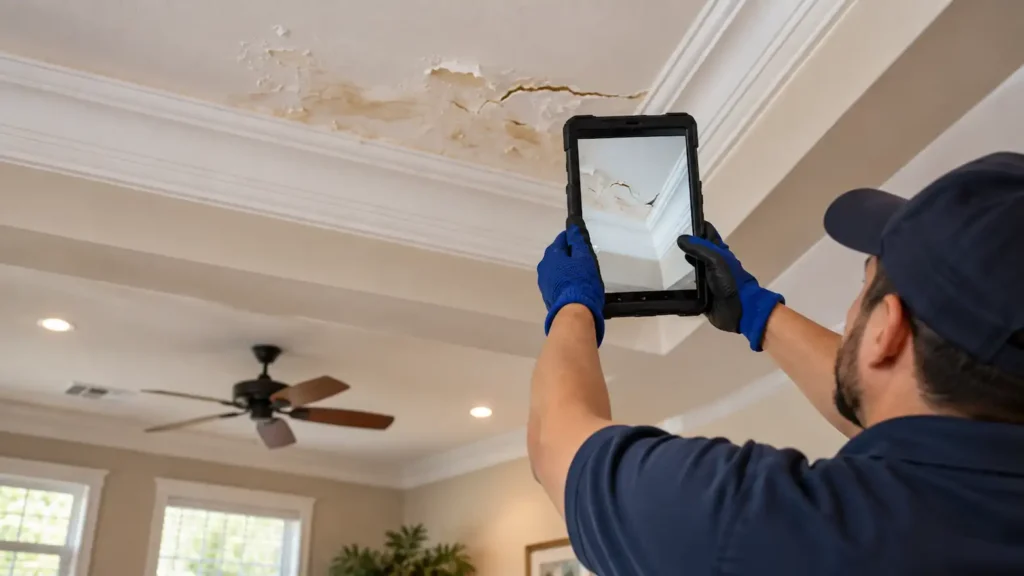
Leak detection has moved well past simply checking for damp spots and listening carefully near suspected areas. Acoustic technology can detect the sound of water escaping a pressurized line even through concrete or drywall, shrinking the search area considerably compared to opening multiple walls just to investigate.
This kind of capability proves most valuable for slab leaks and concealed pipe repair situations, where the leak’s true location isn’t visible from anywhere accessible. Leak detection tools transform what would otherwise be guesswork into a precisely targeted repair.
A basic faucet fix rarely requires this level of leak detection, since ordinary knowledge of how to fix a leaky faucet usually settles it, but a persistent leak lacking an obvious source, or any of the previously mentioned slab leak signs, generally justifies bringing in equipment designed specifically for that kind of search.
Weighing A DIY Repair Against Hiring A Licensed Plumber
| Situation | DIY Faucet Repair | Licensed Plumber |
| Single faucet dripping, valves easy to reach | Usually appropriate | Optional |
| Leak returns after replacing the washer | May need a second attempt | Recommended if it happens twice |
| Water pooling beyond the faucet itself | Not recommended alone | Recommended |
| Reduced pressure across multiple fixtures | Not appropriate | Recommended |
| Warm floor spots or unexplained water bill spikes | Not appropriate | Recommended immediately |
Understanding how to fix a leaky faucet yourself is a genuinely valuable skill for the more basic cases, but the table above shows roughly where a situation moves past what fixing a leaky faucet knowledge can actually handle. A sensible guideline: anything beyond the fixture itself, whether that’s the supply line, the wall, or the slab below, belongs in a professional’s hands.
At EZ Flow Plumbing, we’d much rather explain honestly how to fix a leaky faucet when the job truly is that straightforward than convince someone to book a visit they didn’t actually need.
Scheduling A Plumbing Check Before Things Get Worse
Learning to fix a leaky faucet yourself makes sense when the issue really is confined to the fixture, and plenty of homeowners manage that repair without ever picking up the phone. The harder skill is recognizing when a drip actually signals pipe repair, water line repair, or a slab leak that calls for genuine leak detection work behind it, well past what how to fix a leaky faucet advice alone could ever solve.
At EZ Flow Plumbing, we help Austin-area homeowners distinguish between a fixture that simply needs a new washer and a plumbing system that needs serious attention.
Schedule a practical plumbing check before the issue gets bigger. Reach out through our contact page, and we’ll walk through what your fixture or your line is genuinely telling you before anything gets scheduled.