Water heater replacement isn’t a decision anyone wants to rush into, yet plenty of homeowners end up making it in a panic once the unit finally gives out mid-shower. The smarter approach looks at the whole picture first: how old the unit actually is, where water is coming from if there’s a leak, how many service calls have already happened, and whether the household’s hot water needs have shifted since the thing was installed.
Around Austin, this conversation usually starts the same way. Someone notices the water isn’t quite as hot as it used to be, or a strange rumbling sound has been coming from the utility closet for weeks. A restaurant might lose hot water entirely right as the dinner rush starts. None of these moments feel like emergencies until suddenly they are.
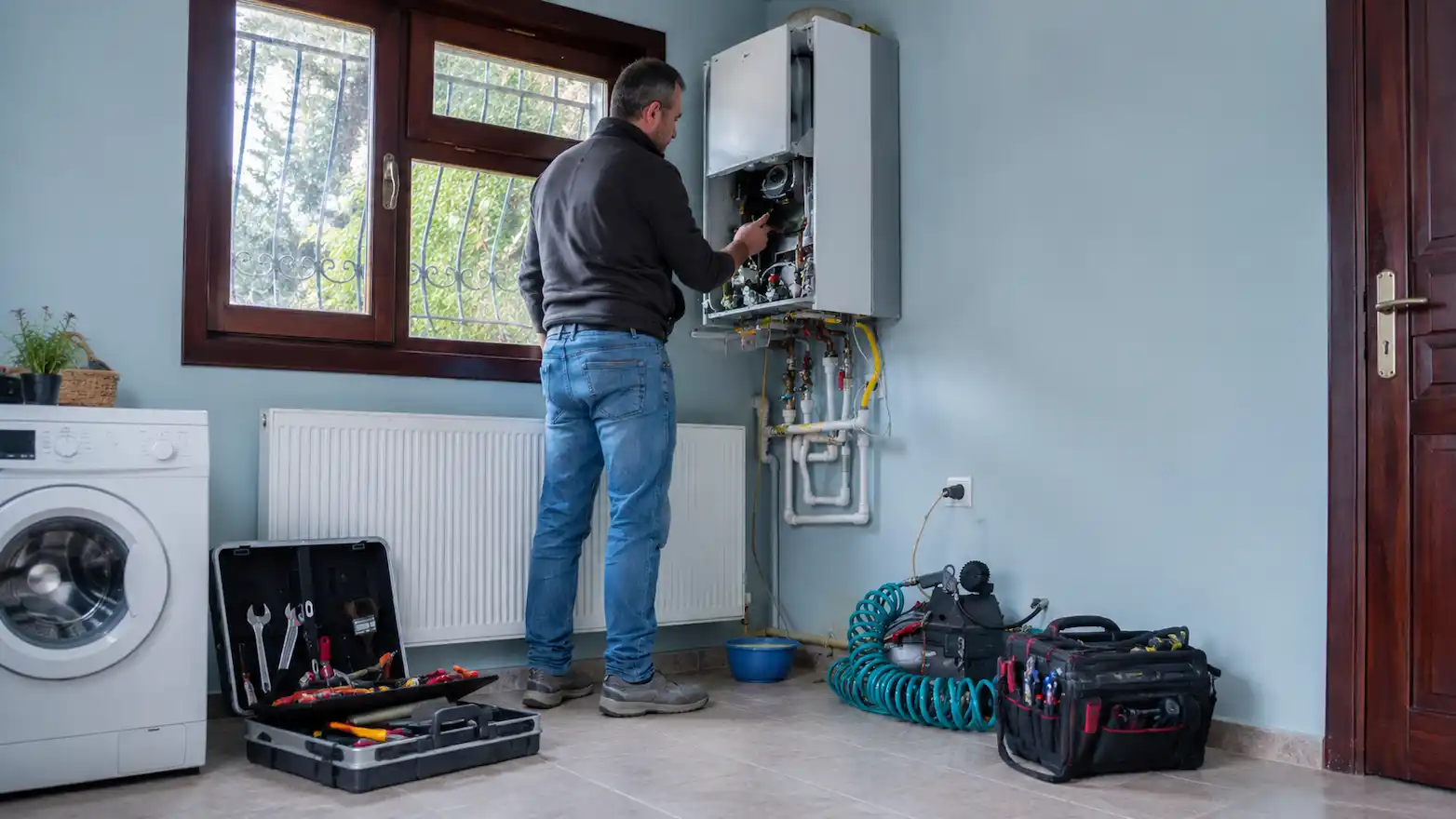
At EZ Flow Plumbing, we don’t jump straight to water heater replacement just because a unit has some age on it. We’d rather look at what’s actually failing and figure out honestly whether repair still makes sense or whether the system has truly reached the point of no return.
When A Hot Water Issue Is Just Wear And Tear
Not every hot water issue signals the end. A single symptom that shows up, gets addressed, and disappears for good usually just means one part wore out the way parts eventually do. That’s a completely normal part of owning any mechanical system.
A hot water issue becomes something else entirely when it keeps circling back, changes shape, or brings friends along with it. Weak flow paired with rust colored water paired with a spike in the utility bill isn’t three separate problems anymore, it’s one system quietly falling apart.
Sometimes what looks like failure is really just mismatched capacity. A household that’s grown, or added a second bathroom, might see a hot water issue that only shows up when two showers run back to back, which points toward undersized equipment rather than a dying unit.
Repair Still Makes Sense More Often Than People Assume
Water heater repair covers a surprising amount of ground: a thermostat that’s stopped reading correctly, a heating element burned out from years of use, a gas valve that’s sticking, or a pilot light that keeps blowing out. Every one of these is fixable through water heater repair without touching the tank itself.
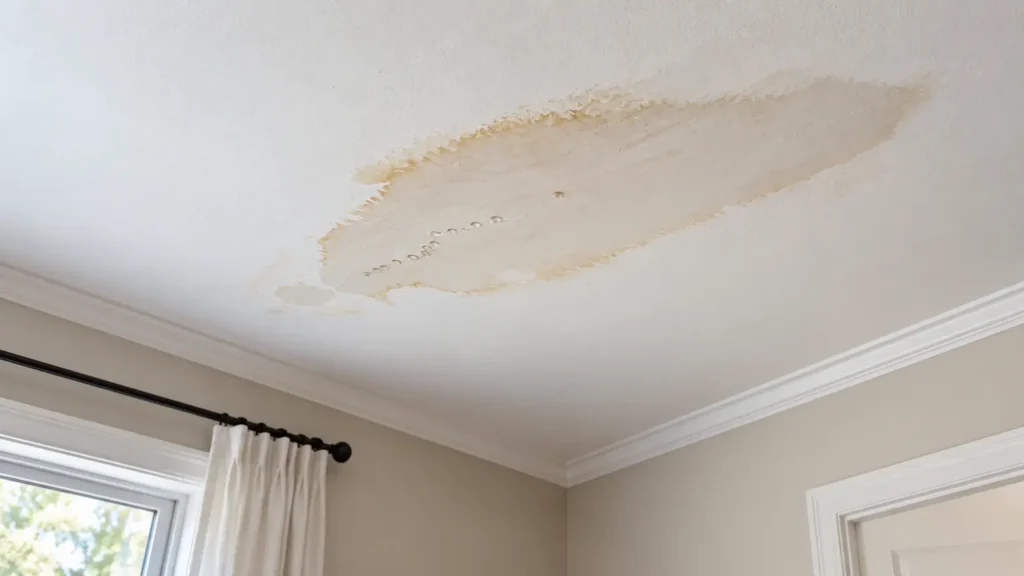
The line gets crossed once the tank becomes the actual source of trouble rather than a part attached to it. Corrosion showing on the outside, water seeping from the tank body instead of a fitting, or a repair bill history that keeps growing are all signs pointing toward water heater replacement rather than another patch job.
What matters most is getting an honest answer rather than a guess. A property owner deserves to know specifically what failed and why, not just whether something can be “fixed” for now.
The Honest Lifespan Of A Water Heater
Most conventional tank units hold up reasonably well for somewhere between eight and twelve years before the tank itself starts breaking down, regardless of how diligently anyone’s kept up with maintenance. Once a unit crosses that threshold, every repair carries a bit more risk of being wasted money.
The expected service life of demand water heaters, the tankless variety, at around twenty years, nearly double what a conventional tank typically manages.
That difference actually changes the math on water heater replacement. A tankless unit installed now could still be doing its job long after a couple of conventional tanks would have already come and gone in sequence.
When The Tank Itself Has Given Up
Rust or corrosion visible on the outside of a tank rarely leaves anything worth repairing, since whatever’s showing on the shell is usually a preview of what’s happening inside. Structural failure at that level means water heater replacement is the only real option left.
Odd noises, popping, rumbling, cracking sounds, often mean sediment has piled up thick enough to insulate the heating element from the water it’s supposed to be heating, which forces the unit to overwork itself into an early grave. Hard water, common across much of the Austin area, speeds this process along considerably.
A leak coming directly from the tank’s body, not a nearby valve or connection, is about as clear a sign as you’ll get that water heater repair has run its course and replacement is the responsible next move. See how we approach new installations on our water heater installation page.
Tankless As A Replacement Option, Not Just A Trend
Swapping in a tankless water heater isn’t the same project as replacing one tank with another. These systems heat water the moment it’s needed instead of storing a reserve, so capacity gets discussed in gallons per minute rather than total tank size, and getting that number right matters enormously.
Going tankless usually means checking the existing gas line, venting setup, or electrical service too, since these units can demand more than what the old tank ever needed. A tank for tank swap and a full tankless conversion are really two different jobs wearing the same general label of water heater replacement.
Tankless systems cost more upfront than a standard tank, no question, but the longer service life and lower standby energy loss tend to close that financial gap the longer the unit stays in operation.
Getting The Size Right The Second Time
Skipping a proper demand assessment during water heater replacement tends to land a property with either too little capacity, someone getting cold water mid shower, or too much, burning energy to keep unused hot water on standby all day long.
Households change. An extra bathroom gets added, more people move in, or someone starts working from home and running the dishwasher at odd hours. Any of these shifts can mean the water heater replacement needs different specs than whatever was originally installed years earlier.
Miss the sizing either direction and you’re stuck with new frustrations: a tankless unit overwhelmed by two showers running together, or a tank so oversized it never really needed to be that big in the first place.
Businesses Can’t Afford Guesswork On Hot Water
A hot water issue at a commercial address rarely stays a minor annoyance. Restaurants, salons, clinics, and retail spaces all lean on consistent hot water for cleaning, staff needs, and customer facing work that simply can’t pause for a repair appointment.
Commercial water heater replacement has to factor in busy periods, how quickly the unit recovers between uses, and just how costly an unexpected failure would be if it happened mid shift. Equipment sized for an average household almost never holds up under commercial demand.
Weighing a planned installation against the cost of an unplanned breakdown usually settles the argument fast, since scrambling for water heater repair during business hours costs far more than scheduling replacement ahead of time ever would.
Choosing Who Handles The Decision
Find a plumber who’s willing to explain what actually failed, why it failed, and what realistic paths forward look like, instead of one who jumps straight to whatever unit sits highest on the price list. Someone who walks through age, condition, capacity, and cost together is giving you something real to work with.
| Factor | Repair Likely Fits | Replacement Likely Fits |
| Unit age | Under 8 years | Past 10 to 12 years |
| Leak source | Valve, fitting, or connection | Tank body itself |
| Repair history | First or isolated issue | Multiple repairs in recent months |
| Hot water demand | Matches household or business use | Consistently falls short |
| Energy bills | Stable | Rising without explanation |
Beyond the table, it is worth asking whether a plumber brings up tankless water heater options honestly rather than defaulting to whatever matches the old setup for any water heater replacement, and whether their reasoning gets explained rather than just handed down as a verdict.
Booking The Evaluation
Water heater replacement, at its core, is about dependability going forward, not just patching whatever’s broken right now. A tank nearing the end of its expected run, a tankless setup that could trim long term costs, or a capacity problem that’s been quietly annoying everyone for months all deserve a real look rather than another band-aid fix.
At EZ Flow Plumbing, we assess the actual condition of your unit before recommending anything, whether that turns out to be a simple repair, a straightforward swap, or a move to tankless.
Ask EZ Flow to review the problem and recommend the next step. Reach out through our contact page, and we’ll talk through what your unit actually needs before anything gets scheduled.